
Call of Duty: Modern Warfare 4 – Advanced Combat Tips and Tactical Strategies for Campaign, Multiplayer, and DMZ
INTRODUCTION
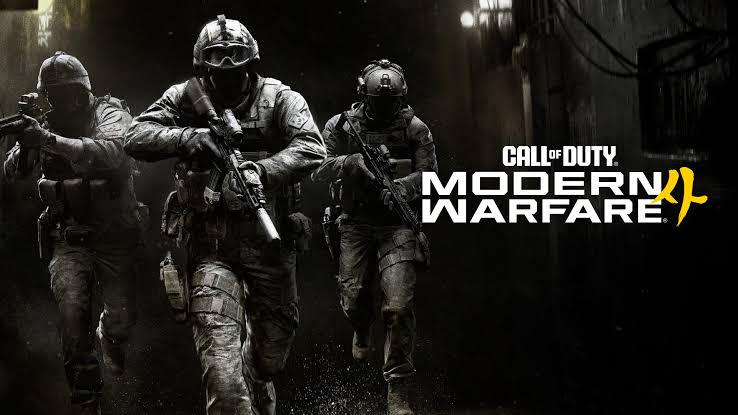
Call of Duty: Modern Warfare 4 takes the Modern Warfare series into a new global conflict, combining cinematic campaign missions, competitive multiplayer combat, and the return of the DMZ extraction experience. The story moves between the Korean Peninsula and major international locations, while its multiplayer focuses on precise gunplay, fluid movement, and tactical decision-making. These different modes require more than fast reactions. Players need to understand their surroundings, manage engagements, choose suitable equipment, and recognize when to attack or reposition.
This guide explores practical strategies for approaching Modern Warfare 4 across its main gameplay experiences. It focuses on campaign preparation, squad coordination, weapon handling, multiplayer positioning, map awareness, and DMZ survival. Whether you prefer intense close-range firefights or slower tactical encounters, developing consistent habits can help you make better decisions throughout each match.
1. Understand the Different Combat Experiences
Modern Warfare 4 offers three major gameplay experiences: Campaign, Multiplayer, and DMZ. Each mode has a different rhythm and rewards a different approach. Campaign missions are built around a narrative experience, with changing objectives and combat environments. Multiplayer focuses on competitive engagements where positioning, accuracy, and timing can determine the outcome of a fight. DMZ introduces extraction-based decisions, where collecting valuable equipment is only part of the challenge.
Before concentrating on one mode, understand what makes each experience different. A strategy that works in a controlled campaign encounter may not be suitable for a competitive multiplayer match. Similarly, aggressive movement can be useful when pushing an objective but dangerous when carrying valuable equipment in DMZ. Adjust your approach instead of relying on one universal playstyle.
Consider these basic priorities:
- Campaign: Follow objectives and adapt to changing combat situations.
- Multiplayer: Control important positions and understand enemy movement.
- DMZ: Balance objectives, equipment recovery, survival, and extraction.
- Training: Practice aiming, movement, and weapon control before difficult encounters.
- Team play: Communicate information instead of making every decision independently.
2. Prepare for Campaign Missions Before Moving Forward
The Campaign places players in several different combat environments, including trench warfare in Korea, close-quarters encounters in New York, vehicle sequences in Paris, and SAS night operations in Mumbai. These environments require different levels of awareness. Open battlefields provide different challenges from narrow corridors, while night operations place greater importance on observation and careful movement.
Do not treat every mission as a straightforward shooting sequence. Pay attention to the objective, your squad's position, and the direction from which threats may appear. When entering an unfamiliar area, take a moment to understand the environment before moving toward the next objective. Rushing forward without checking your surroundings can make it harder to react when the mission changes.
Useful campaign habits include:
- Read the current objective before entering a new area.
- Observe the environment for possible routes and cover.
- Stay aware of your squad's position.
- Avoid unnecessary exposure in open areas.
- Adapt your pace when the environment becomes more dangerous.
- Check whether the mission requires movement, defense, or area control.
3. Improve Squad Awareness and Team Coordination
Squad awareness is an important part of tactical combat. Players should understand where their teammates are, which direction they are facing, and whether the group is moving toward the same objective. Even when an encounter becomes chaotic, maintaining awareness helps prevent unnecessary confusion.
When playing with friends or cooperating with other players, establish simple communication habits. Share useful information about enemy positions, dangerous routes, objectives, and changes in the situation. Avoid filling voice communication with unnecessary comments during important encounters. Short, clear information is usually more useful than long explanations when the team needs to react quickly.
Good coordination habits include:
- Communicate important enemy positions.
- Identify who is leading the current push.
- Avoid moving in completely different directions without a reason.
- Inform teammates before changing positions.
- Support players who are securing an objective.
- Reassess the plan when the situation changes.
4. Master Close-Quarters Combat
Close-quarters combat rewards quick reactions, accurate aiming, and awareness of nearby routes. In narrow streets, buildings, and interior spaces, enemies can appear from several directions with very little warning. Players who move without checking corners or nearby entrances may lose control of an encounter before they have time to respond.
Develop a consistent approach to entering enclosed spaces. Avoid exposing yourself to several possible enemy positions at once. Use available cover, observe likely entry points, and communicate with teammates before pushing into an occupied area. When fighting at close range, prioritize accurate target acquisition rather than moving unpredictably without a clear objective.
Useful close-quarters habits include:
- Check entrances before entering unfamiliar rooms.
- Avoid standing in exposed doorways.
- Keep track of nearby escape routes.
- Stay aware of teammates covering other angles.
- Avoid chasing opponents into unknown areas.
- Reposition when your current angle becomes unsafe.
5. Control Open Areas and Long-Range Engagements
Open environments create a different set of challenges. Longer sightlines allow players to observe distant movement, but they also increase the number of angles from which an opponent can engage. Crossing an exposed area without considering nearby cover can make you an easy target.
Instead of moving directly toward a distant objective, identify a route that offers useful protection. Observe the surrounding terrain and consider whether your current position provides enough information about enemy movement. If a particular route is consistently dangerous, try another approach rather than repeating the same mistake.
Long-range engagements also require patience. Do not fire simply because an opponent appears in the distance. Make sure you can identify the target clearly and control your weapon effectively. If your shots are inconsistent, take time to adjust your aim and avoid unnecessary firing.
Open-area strategies include:
- Identify cover before crossing exposed ground.
- Watch for movement along distant sightlines.
- Avoid remaining in the same exposed position.
- Use suitable weapons for the engagement distance.
- Coordinate movement when crossing dangerous areas.
- Reposition when opponents gain control of your route.
6. Develop Better Multiplayer Gunplay and Movement
Modern Warfare 4 Multiplayer emphasizes precise combat and fluid movement. Its announced Ballistic Authority system is designed to connect aiming, weapon handling, recoil, operator stance, camera behavior, audio, and target visibility more closely. The game also removes weapon bloom, placing greater emphasis on how accurately players aim and control their weapons.
To improve, focus on consistency rather than trying to move as quickly as possible. Practice keeping your aim under control while moving between positions. Learn how your preferred weapons behave, including their recoil and handling characteristics. A weapon that feels comfortable in one situation may not be the best choice for every engagement.
Movement should support your combat decisions. Running toward an objective without checking the surrounding area can create unnecessary risks. At the same time, staying in one location for too long can make your position predictable. Develop a balance between controlled movement and deliberate positioning.
Practice these fundamentals:
- Keep your crosshair near likely enemy positions.
- Learn the recoil behavior of your preferred weapons.
- Avoid unnecessary movement during precise engagements.
- Use cover when changing positions.
- Adjust your pace according to the distance of the fight.
- Review missed shots to identify problems with aim or timing.
7. Build Weapon Loadouts Around Your Playstyle
Weapon customization should begin with a clear understanding of your preferred combat distance. Players who regularly engage opponents at close range may prioritize different handling characteristics from those who prefer longer sightlines. Instead of choosing attachments simply because they appear powerful, consider how each modification affects the way you use the weapon.
Modern Warfare 4 introduces Gunny, which is designed to help players assemble weapon configurations for close-, medium-, and long-range combat. This provides a useful starting point for players who are still learning the customization system. Once you understand the basic configuration, experiment with individual attachments and identify which changes actually improve your performance.
Weapon progression also includes Apex Attachments. These specialized unlocks are earned by fully progressing a weapon and can introduce changes to its behavior, tactical utility, handling, or combat role. This makes weapon progression more meaningful than simply unlocking additional equipment.
Use a structured approach to customization:
- Choose a primary combat distance.
- Select a weapon that suits that distance.
- Test its handling before changing several attachments.
- Adjust recoil and aiming characteristics where possible.
- Compare different configurations in similar situations.
- Keep a reliable setup instead of constantly changing everything.
8. Learn to Adapt to Multiplayer Maps and Kill Block
Modern Warfare 4 launches with 12 core multiplayer maps, alongside additional environments designed for Gunfight and large-scale combat. Each map provides different routes, sightlines, and opportunities for engagement. Learning these layouts is one of the most useful ways to improve because map knowledge helps players predict where encounters are likely to happen.
Do not focus only on memorizing the shortest route between two objectives. Learn how different paths connect, where cover is available, and which areas expose you to multiple angles. Understanding alternative routes can help you respond when opponents control a particular part of the map.
Kill Block introduces another challenge because its combat space can reconfigure between rounds. Changes to the layout affect sightlines, routes, and available cover. Players should avoid assuming that a previously successful strategy will remain effective after the environment changes.
Map-learning priorities include:
- Identify the main routes between objectives.
- Remember locations with useful cover.
- Watch for alternative paths around contested areas.
- Reassess your position after major layout changes.
- Learn where close-range and long-range encounters are likely.
- Communicate useful map information with teammates.
9. Survive Longer in DMZ Extraction Missions
DMZ changes the meaning of success. Instead of focusing only on eliminating opponents, players enter a changing combat zone to recover advanced military technology, complete objectives, collect equipment, and extract. Every deployment involves decisions about how much risk to accept and when to leave.
The most important DMZ skill is knowing when to stop pursuing additional rewards. A successful objective does not guarantee a successful deployment if you remain in a dangerous area for too long. Before moving deeper into the zone, consider what you have already collected, what objectives remain, and whether the potential reward justifies the additional risk.
DMZ also supports different approaches to deployment. Players can operate alone or with a squad, and encounters may involve fighting, negotiating, or avoiding other operators. Not every situation needs to become a direct confrontation. Sometimes changing your route or leaving an area is the smarter decision.
DMZ survival habits include:
- Establish a clear objective before deployment.
- Understand the value of the equipment you are carrying.
- Avoid unnecessary fights when your objective is already complete.
- Pay attention to changing conditions in the combat zone.
- Coordinate extraction plans with your squad.
- Leave when the risk becomes greater than the potential reward.
10. Create a Consistent Improvement Routine
Improvement in Modern Warfare 4 comes from identifying weaknesses and practicing specific skills. Playing more matches can provide experience, but repeating the same mistakes without understanding them may slow your progress. A focused routine makes it easier to recognize what needs improvement.
Choose one skill to work on during each session. For example, spend one session improving aiming consistency, another learning multiplayer routes, and another practicing communication. This prevents you from trying to change every part of your playstyle at once. After several sessions, compare your performance and decide which habit should receive more attention.
A simple improvement routine can include:
- Warm up with familiar weapons.
- Practice aiming and recoil control.
- Learn one unfamiliar map area.
- Focus on positioning during multiplayer matches.
- Communicate more clearly during squad encounters.
- Review mistakes instead of blaming every loss on opponents.
- Adjust weapon configurations when there is a clear reason.
- Set one realistic objective for the next session.
CONCLUSION
Call of Duty: Modern Warfare 4 offers several different ways to experience tactical combat, from its international Campaign storyline to competitive Multiplayer and the risk-based DMZ extraction mode. Each experience rewards a different combination of awareness, preparation, weapon control, and decision-making.
The best way to improve is to develop reliable fundamentals. Learn the environments, understand your weapons, communicate with teammates, and recognize when an aggressive move is worth the risk. With consistent practice and a flexible approach, you can become more effective across every major mode in Modern Warfare 4.
SUMMARY
Master Modern Warfare 4 with practical strategies for campaign missions, precise gunplay, multiplayer maps, weapon builds, squad coordination, and DMZ extraction survival.