
How to Survive, Build, and Progress Efficiently in ATMOSFAR: A Complete Step-by-Step Guide
How to Survive, Build, and Progress Efficiently in ATMOSFAR: A Complete Step-by-Step Guide
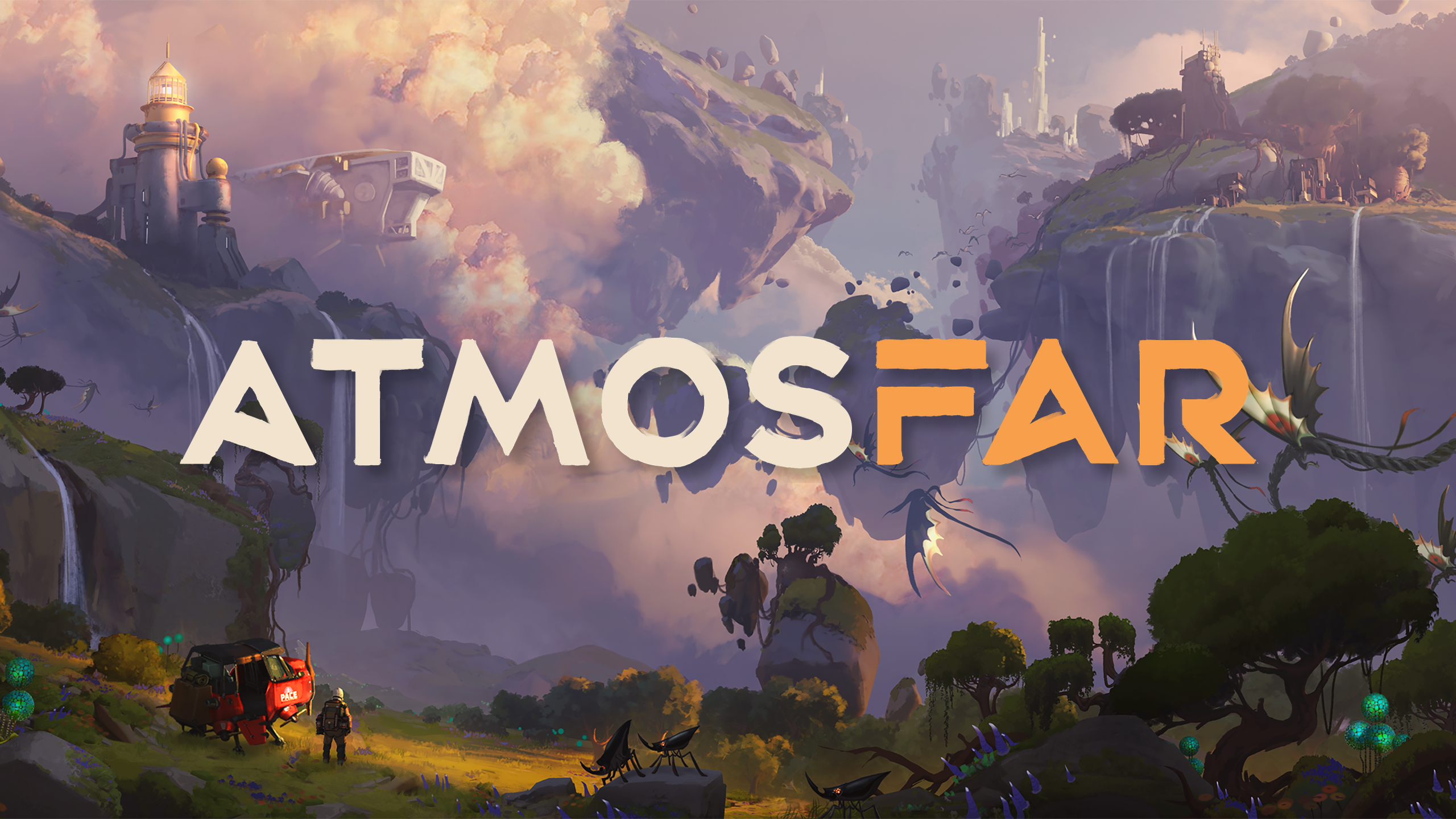
ATMOSFAR is a survival exploration game developed by Apog Labs and published by SHUEISHA GAMES. Set on the mysterious planet Tycos, the game challenges players to explore enormous floating islands, operate specialized aircraft, collect resources, manufacture equipment, and uncover the fate of humanity's collapsed colony. Unlike traditional survival games that concentrate on constructing a permanent base in one location, ATMOSFAR encourages players to build a mobile operation capable of traveling across the sky. Your aircraft, personal equipment, portable workshop, and Cloud Cruiser must work together if you want to explore efficiently.
For beginners, the biggest challenge is understanding how to progress without constantly running out of resources or damaging important equipment. Flying to a distant island without enough fuel, using extraction tools until backpack power becomes insufficient, or attempting to repair an aircraft without the necessary components can interrupt an otherwise successful expedition. These problems become more complicated when unfamiliar environments, hostile creatures, and unfavorable weather conditions are involved.
The most effective approach is to develop a repeatable survival routine. Instead of collecting everything you encounter, you should establish clear objectives, prioritize essential materials, maintain your Wasp, and gradually improve the Cloud Cruiser. This guide explains how to approach each stage, from preparing your first expedition to organizing advanced exploration operations. It also covers common mistakes, practical resource-management techniques, and ways to make your progression more consistent throughout ATMOSFAR's Early Access experience.

1. How to Prepare for Your First Expedition in ATMOSFAR
Your first expedition should focus on understanding the basic relationship between exploration, resource collection, crafting, and aircraft maintenance. It is tempting to immediately fly toward distant islands, but doing so without checking your equipment can create unnecessary problems. Before leaving your starting area, examine your Wasp, inspect your backpack, and understand which supplies are necessary for the next objective. Your first journey should be manageable rather than ambitious.
Begin by identifying the resources required to keep your equipment operational. Your backpack contains a life-support system that provides power for both your character and tools. This means that personal equipment management is directly connected to exploration efficiency. If you spend too much time extracting materials without monitoring your available resources, you may find yourself unable to perform important tasks when you reach another location. Keep your essential equipment ready and avoid unnecessary tool usage during the opening stages.
Create a basic departure checklist
Before taking off, establish a simple routine that you can repeat before every expedition:
- Inspect the Wasp for damage.
- Check the available fuel.
- Review backpack resources and tool condition.
- Identify the materials required for your next objective.
- Prepare appropriate equipment for resource extraction.
- Confirm that your intended destination is suitable for landing.
Choose a realistic first objective
Rather than attempting to explore several islands immediately, select one destination where you can practice landing, gathering materials, and returning safely. Pay attention to recognizable terrain features so you can identify the location again. Learning how the aircraft behaves during approach and landing is more valuable at this stage than attempting to cover the greatest possible distance.
Your first successful expedition should demonstrate that you can leave a safe location, complete a basic task, and return with useful materials. Once this process becomes familiar, gradually increase the complexity of your journeys. This creates a stable foundation for the more demanding survival and engineering systems encountered later.
2. How to Control the Wasp and Travel Between Floating Islands
The Wasp is your primary means of traveling between the floating islands of Tycos. It combines fast aerial movement with the ability to hover, making it useful for both transportation and precise exploration. However, flying effectively requires more than simply pointing toward a destination. Players must learn to approach islands carefully, control their altitude, identify suitable landing areas, and avoid environmental conditions that make navigation difficult.
Start by practicing basic movement in a relatively open area. Learn how the aircraft responds when accelerating, changing direction, and transitioning into a hover. Avoid making unnecessary movements close to obstacles because limited maneuvering space can turn a simple landing into a difficult recovery. The goal is to become comfortable with the aircraft before attempting complicated approaches around cliffs, structures, or unfamiliar terrain.
How to perform safer landings
Landing should be treated as a separate phase of flight rather than an action performed at the last moment. First, approach the island from a direction that gives you a clear view of the surrounding terrain. Reduce unnecessary movement as you get closer, identify a suitable landing location, and use hovering to maintain better control while positioning the aircraft.
A good landing area should provide enough room for the aircraft and allow you to leave safely when the expedition is finished. Avoid landing in places where nearby obstacles restrict movement or where the terrain makes it difficult to identify a clear departure route.
Improve your navigation habits
Use distinctive environmental features to remember important destinations. Floating islands may contain recognizable formations, vegetation, structures, or unusual terrain. These features can help you distinguish between locations when returning from resource-gathering trips.
A practical flight routine includes:
- Identify the destination before departure.
- Check the aircraft's current condition and fuel.
- Approach the island while observing the surrounding environment.
- Find a suitable landing area.
- Complete the exploration objective.
- Inspect the aircraft again before taking off.
Learning these habits early helps prevent avoidable accidents. It also makes future journeys more efficient because you spend less time correcting navigation mistakes and more time completing useful objectives.
3. How to Manage Backpack Power, Oxygen, and Survival Resources
Personal survival management is one of the most important systems in ATMOSFAR. Your backpack is not simply a storage container; it houses a life-support system that powers both your character and the tools used during exploration. This creates a direct connection between resource consumption and your ability to complete tasks. A player who ignores backpack resources may reach a valuable location but struggle to perform the extraction or crafting activities required to benefit from it.
The best way to manage this system is to connect resource checks with specific expedition activities. Before leaving your aircraft, inspect your available supplies. After completing a demanding extraction task, check your remaining resources again. Repeat this process before entering another unfamiliar area or beginning a longer operation. These small checks help you recognize shortages before they become serious problems.
How to avoid wasting backpack resources
Not every activity deserves the same amount of attention or equipment usage. If you are searching for one specific component, concentrate on finding the correct source instead of repeatedly using tools on unrelated objects. This reduces unnecessary resource consumption and makes the expedition more focused.
Consider the following habits:
- Identify the required material before beginning extraction.
- Avoid using powered tools without a clear objective.
- Check available backpack resources during exploration.
- Return to a suitable workshop or supply location when essential resources become insufficient.
- Prepare for another expedition before exhausting your current supplies.
Separate survival needs from crafting needs
A common mistake is treating every available resource as something that can be spent on construction. Some supplies are essential for maintaining the player's ability to explore, while others support manufacturing and upgrades. These priorities should be considered separately.
Before using materials for optional crafting, make sure your essential survival requirements are covered. This is particularly important during early progression, when your storage, workshop facilities, and equipment options may still be limited. Maintaining basic operational readiness is more valuable than completing an unnecessary upgrade and becoming unable to continue exploring.
4. How to Collect Scrap and Extract Valuable Materials
Resource extraction is the foundation of ATMOSFAR's crafting and engineering systems. The planet contains scrap, minerals, and organic materials that can be collected and transformed into useful supplies. These materials support equipment production, repairs, upgrades, and the construction of facilities. However, efficient collection requires players to understand what they need rather than simply gathering everything available.
Start by examining your current objective and identifying the materials required to complete it. If your Wasp needs maintenance, prioritize the components associated with the damaged systems. If you want to manufacture equipment, focus on the ingredients required by its recipe. This approach reduces unnecessary inventory management and helps you avoid spending too much time collecting materials that do not contribute to your immediate progression.
How to organize a resource-gathering expedition
A productive gathering trip should follow a clear sequence. First, locate a suitable resource source. Second, use the appropriate extraction equipment. Third, monitor your backpack resources while collecting materials. Finally, organize the items you obtain so that you know which ones should be used for repairs, crafting, or storage.
Do not assume that a large quantity of scrap automatically represents a successful expedition. The value of collected materials depends on whether they can support your current plans. A smaller amount of the correct components may be much more useful than a large collection of unrelated materials.
Prioritize materials according to their purpose
You can divide collected resources into three broad categories:
- Maintenance materials: Components needed to keep aircraft and equipment operational.
- Manufacturing materials: Resources used to create tools, machines, and other useful items.
- Expansion materials: Resources that support improvements to the Cloud Cruiser and more advanced equipment.
This classification makes it easier to decide what to collect and what to store. As your operation expands, maintaining an organized supply of useful materials becomes increasingly important. It also reduces the likelihood of beginning a crafting project only to discover that essential components were previously used for something less important.
5. How to Repair and Upgrade Your Wasp Effectively
Your Wasp is one of the most important pieces of equipment in ATMOSFAR, so maintaining it should be a regular part of your survival routine. The aircraft has several important systems, including its hull, propulsion components, and hovering equipment. Damage or poor maintenance can affect its usefulness during later expeditions, especially when traveling through unfamiliar environments.
Start by performing a complete inspection rather than checking only the most visible damaged section. Examine the hull and other major components, then determine which repairs are necessary before the next journey. Players should avoid assuming that an aircraft is fully ready simply because it can still fly. An operational vehicle may nevertheless require maintenance before it can reliably support another demanding expedition.
How to approach aircraft repairs
A practical repair routine involves three stages:
- Identify which aircraft component requires attention.
- Determine the materials and equipment needed for the repair.
- Complete the repair and inspect the aircraft again before departure.
The game's engineering system makes the distinction between different components important. Repairing one damaged area does not necessarily mean that every other part is in suitable condition. A complete inspection reduces the risk of overlooking another problem.
Choose upgrades according to your playstyle
ATMOSFAR allows players to modify Wasps through changes to engine parts, hovering sections, hulls, and other modules. These options create opportunities to configure aircraft around specific activities. However, upgrades should be selected according to practical requirements rather than appearance alone.
For example, a player who frequently explores individual islands should consider the aircraft characteristics that make those journeys more manageable. Someone who focuses on transporting heavy materials should think about the needs of cargo operations. The best configuration is the one that supports your intended activities without creating unnecessary maintenance or resource demands.
Remember that repairs and upgrades serve different purposes. Repairs restore an aircraft's condition, while upgrades change its configuration or capabilities. Completing essential repairs should generally take priority when the vehicle is not ready for another journey.

6. How to Build and Use a Portable Camp With the Utility Wasp
The Utility Wasp is particularly useful because it allows players to deploy a portable camp. This feature makes exploration more flexible by providing access to workshop facilities away from the main mobile base. Instead of returning to the Cloud Cruiser after every small crafting task, players can establish a temporary working location closer to their resource-gathering activities.
The first step is understanding that deploying a camp does not automatically provide every production function. Players must have the necessary equipment and machines available before they can use the camp for more complicated tasks. A portable workshop should therefore be prepared around the activities planned for the expedition. If you intend to process materials, make sure the appropriate machine has been crafted and can be operated at the camp.
How to organize a functional camp
Start by choosing a location that provides enough room for the camp and allows you to move safely around it. Avoid areas where terrain or nearby hazards make equipment difficult to access. The camp should function as a practical working location rather than an obstacle-filled storage area.
Organize its facilities according to their intended purpose:
- Material storage for collected resources.
- Crafting equipment for manufacturing essential items.
- Processing machines for converting raw materials.
- A convenient area for preparing aircraft supplies.
How to avoid workshop setup problems
If a machine does not operate as expected, inspect the entire production process. Check whether the machine has actually been crafted, whether the necessary components are available, and whether the required inputs have been supplied. Do not assume that placing a machine automatically makes it functional.
The portable camp is most useful when it supports a clear expedition objective. For example, you might establish a temporary workshop to process materials collected from several nearby islands before returning to the Cloud Cruiser. This reduces unnecessary travel and allows you to make better use of your available time.
7. How to Produce Hydrogen Fuel and Refuel Your Aircraft
Fuel management is essential for traveling across Tycos. Players cannot rely on aircraft transportation without understanding how fuel is obtained, processed, and transferred. The hydrogen production chain is an important example of how ATMOSFAR connects exploration with engineering. Raw resources must be collected, processed into usable fuel, and transferred into the aircraft before they can support another flight.
The process demonstrated in the game's earlier Demo involved locating hydrogen crystals, transporting them to a refinery, processing them into hydrogen fuel, and transferring the finished product into the Wasp. Because Early Access may change recipes, quantities, and interfaces, players should follow the current in-game instructions when performing these actions. Nevertheless, understanding the distinction between raw materials and finished fuel remains important.
How to complete the fuel-production process
Follow the complete production sequence rather than stopping after collecting the raw material.
Step 1: Locate the required resource. Explore the available environment and identify the materials used by the current fuel recipe.
Step 2: Collect the material. Use the appropriate equipment and monitor backpack resources during extraction.
Step 3: Prepare the refinery. Make sure the necessary machine has been crafted and is ready to process the required input.
Step 4: Process the material. Supply the refinery with the correct ingredients and allow the production process to complete.
Step 5: Retrieve the finished fuel. Check the machine's output rather than assuming the fuel has automatically entered your aircraft.
Step 6: Refuel the Wasp. Transfer the processed product into the appropriate aircraft storage and verify that the fuel level has increased.
How to avoid running out of fuel
The most important rule is to plan for the entire journey, not just the outward flight. Consider how much fuel will be required to reach the destination, move between nearby locations, and return to a safe operational base.
Do not use every available unit of fuel simply because another island appears interesting. An unexpected detour or difficult landing can increase the resources needed to complete the expedition. Maintaining a reasonable reserve provides flexibility and makes longer journeys less stressful.
8. How to Build and Manage the Cloud Cruiser as a Mobile Base
The Cloud Cruiser is the central platform for long-term progression in ATMOSFAR. Unlike a stationary base, it travels with the player and provides infrastructure for aircraft, supplies, crafting, and other important operations. Its role becomes increasingly significant as exploration expands into more distant regions.
Players should approach Cruiser development as a practical engineering project. Rather than building every available facility immediately, identify the systems that currently limit your progress. If aircraft preparation is difficult, prioritize the facilities that support Wasp operations. If resource management is becoming inconvenient, improve the relevant storage and processing arrangements.
How to organize the Cloud Cruiser
A functional mobile base should support four major activities:
- Aircraft storage and preparation.
- Fuel storage and refueling.
- Resource organization and manufacturing.
- Personal living and survival support.
The hangar is particularly important because it supports the transportation and management of your Wasps. Fuel tanks also contribute to maintaining aircraft readiness, while other facilities help you process resources and prepare for future expeditions.
How to expand the Cruiser without wasting resources
Expansion should solve an existing operational problem. Before constructing a new section, ask whether it will improve storage, manufacturing, transportation, or another essential activity. If it does not contribute meaningfully to your current needs, it may be better to save those materials for a more useful upgrade.
You should also consider how frequently each facility will be used. Equipment that supports everyday maintenance and production deserves greater attention than facilities that serve only occasional activities. This approach makes the Cruiser more efficient and reduces unnecessary resource consumption.
Maintain a continuous supply system
The Cloud Cruiser should be treated as the center of a repeating supply cycle. Collect resources from islands, return or transport them to suitable facilities, process useful materials, prepare aircraft, and begin another expedition. Every successful journey should improve the readiness of the next one.
This system becomes particularly valuable when several players cooperate. Teammates can divide responsibilities between gathering, maintenance, manufacturing, and flight operations, making the mobile base easier to manage.
9. How to Explore Dangerous Islands and Survive Unfavorable Weather
Exploring Tycos requires players to pay attention to environmental conditions. The planet contains different biomes, unusual vegetation, alien creatures, and potentially dangerous weather. Calm conditions can change into unfavorable winds, while storms and other atmospheric hazards may make flight more complicated. Players must therefore evaluate the environment before committing to a route or landing.
Start by observing the island from the air. Look for a suitable landing location and identify any nearby structures or terrain features that could help you navigate. If unfamiliar creatures or drones are present, avoid rushing into their territory without considering an escape route. The purpose of scouting is to reduce uncertainty before spending valuable resources on exploration.
How to handle dangerous environmental conditions
Weather should influence your decisions about when to travel and where to take cover. If conditions become unfavorable, consider whether continuing the journey is worth the additional risk. An alternative route or temporary delay may be more efficient than attempting to force the aircraft through difficult conditions.
When exploring on foot, maintain awareness of nearby threats and the condition of your equipment. Do not become so focused on collecting materials that you lose track of the aircraft's location or your return route.
How to explore unfamiliar islands efficiently
Use a structured exploration method:
- Observe the island before landing.
- Identify recognizable landmarks.
- Locate useful resources and points of interest.
- Assess nearby environmental threats.
- Collect materials that support your current objective.
- Return to the Wasp before conditions become too dangerous.
Avoid unnecessary confrontations
Not every creature or environmental threat needs to become a combat encounter. If the objective is to collect materials or investigate an area, avoid spending unnecessary resources on confrontations that do not contribute to progression. When a threat becomes unavoidable, use the available equipment and terrain carefully.
The most successful explorers are not necessarily those who fight everything they encounter. They are the players who understand when to investigate, when to collect resources, and when to leave an area before the situation becomes dangerous.
10. How to Progress Faster Through Consistent Expedition Planning
Once you understand aircraft control, resource extraction, crafting, and survival management, the next step is combining these systems into one efficient progression strategy. The key is to stop treating every expedition as an isolated activity. Instead, each journey should support a larger objective, such as improving the Wasp, manufacturing essential equipment, expanding the Cloud Cruiser, or unlocking further exploration opportunities.
Begin every expedition by identifying its primary purpose. If you need repair materials, focus on the appropriate resource sources. If you are expanding the mobile base, collect the components required for that construction. If you are exploring a new biome, prioritize survival equipment, navigation, and aircraft readiness. This prevents unnecessary detours and makes it easier to evaluate whether the journey was successful.
Create a repeatable progression cycle
An efficient progression routine can be divided into five stages:
1. Prepare: Inspect personal equipment, aircraft condition, fuel, and necessary supplies.
2. Explore: Travel to a suitable island and investigate its environment.
3. Collect: Extract materials that contribute to your current objective.
4. Process: Use available workshop facilities to manufacture fuel, repair equipment, or prepare useful items.
5. Improve: Return to the Cloud Cruiser and invest collected resources in upgrades that support future expeditions.
Following this cycle helps prevent common problems such as running out of fuel, collecting unnecessary materials, or attempting to construct equipment without the correct ingredients.
How to improve your performance after each expedition
At the end of every journey, review what happened. Identify whether the aircraft used too much fuel, whether backpack resources were sufficient, and whether the selected destination provided the materials you needed. If a particular task took longer than expected, consider whether a different route, improved equipment, or a better workshop arrangement could make it easier next time.
You should also adapt your progression strategy to the current Early Access version. ATMOSFAR is still being developed, and the available regions, aircraft, crafting systems, and progression features may change through updates. The October 2026 Early Access launch includes two distinct regions, multiple biomes, three Wasps, and a developed Cloud Cruiser, while additional content and the Scout Wasp are planned for future development.
The best long-term strategy is therefore to build reliable habits instead of depending on one supposedly perfect configuration. Learn how to maintain your equipment, manage resources, and prepare for unexpected situations. These skills will remain valuable even as new locations, machines, and gameplay mechanics are introduced.

Conclusion
Learning how to survive and progress in ATMOSFAR requires players to understand how exploration, engineering, transportation, and personal survival work together. The Wasp provides the mobility needed to reach distant islands, while the Utility Wasp and portable camp make resource processing possible away from the main base. Fuel production supports longer journeys, and careful backpack management ensures that essential tools remain available during exploration. Meanwhile, repairing and upgrading aircraft prevents avoidable problems when traveling through dangerous environments.
The Cloud Cruiser brings these systems together by providing a mobile foundation for storage, manufacturing, aircraft management, and future expansion. Players who organize their facilities around practical needs can establish a reliable supply chain and reduce the time spent returning to previously visited locations. Environmental awareness and careful route planning further improve expedition efficiency by helping players avoid unnecessary risks.
Ultimately, the most effective way to progress is to follow a consistent cycle of preparation, exploration, collection, processing, and improvement. Every expedition should provide something that makes the next one easier, whether it is valuable scrap, finished fuel, repaired equipment, or a better understanding of the planet. By following these methods, beginners can develop into capable explorers and engineers, gradually transforming their Cloud Cruiser into a dependable mobile base for discovering the secrets of Tycos.