
Die Smarter: Elden Ring Tips for Turning Every Death Into Information

Most advice about hard games treats dying as the price of admission, a toll you pay until you are good enough to stop paying it. That framing is understandable and slightly wrong. In Elden Ring, a death is not just a penalty. It is a report. Every time something kills you, the game has just handed you a free, detailed account of what you did not know: how long a swing really takes, where a safe window actually sits, whether your build can survive three hits or only one, whether the area you wandered into was ever meant for someone at your level. The players who improve fastest are rarely the ones with the best reflexes. They are the ones who read the report.
So this guide is organized differently from a typical list of tricks. Instead of walking through features, it follows the three kinds of information the game constantly offers you: what the enemy is telling you, what your own character is telling you, and what the world is telling you. Learn to read all three and the game becomes less a series of walls and more a long, legible conversation.
One caution before we begin. Elden Ring has been patched many times and expanded with Shadow of the Erdtree, so specific numbers can drift. The principles below are the durable part. Where a figure matters, treat it as a starting point and confirm it in the game.
Reading the Enemy: Attacks Are Sentences
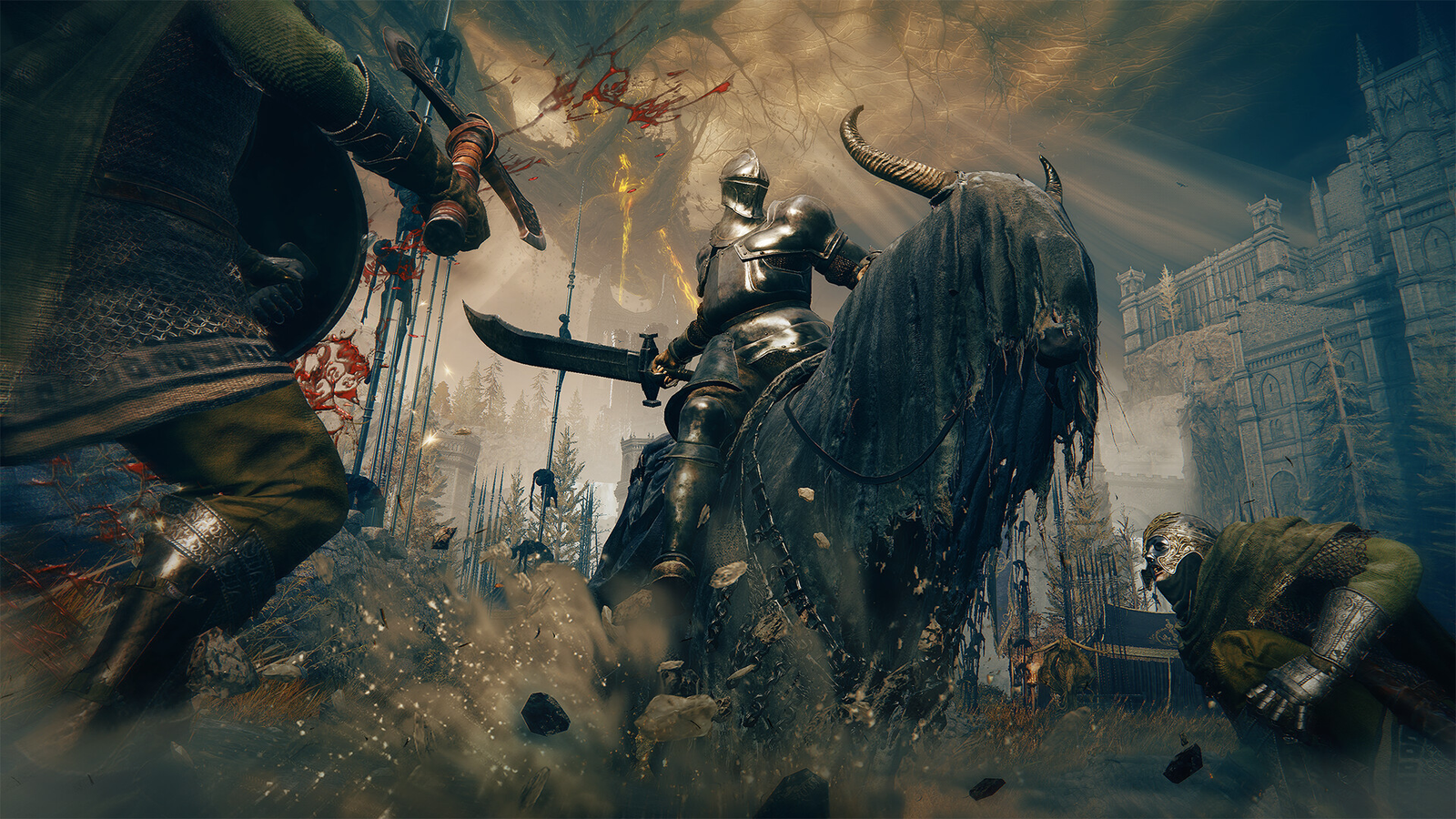
Every enemy in the game communicates, and the language is motion. An attack is never random. It begins with a wind-up, reaches a moment of commitment, and ends with a recovery in which the enemy is briefly exposed. Your whole job in combat is to recognize which of those three phases you are looking at, and to act only in the one that is safe.
The first skill is patience with timing. Many of the game’s most dangerous attacks are delayed, meaning the enemy pauses mid-swing to catch players who dodge too early. If you keep dying to a boss who seems to hit you out of nowhere, the likeliest explanation is that you are reacting to the start of the animation instead of the end of the pause. Watch the weapon, not the body. Roll when the strike is about to land, not when the wind-up begins.
The second skill is stamina discipline. Stamina is the invisible meter that governs everything, and running it dry at the wrong moment is the most common way to turn a manageable fight into a lost one. Attacking, rolling, blocking, and sprinting all draw from it, and a player who spends it all on a flurry of swings has nothing left to dodge the counter. A reliable habit is to attack once or twice and keep enough in reserve to escape, rather than committing to a long combo that leaves you defenseless.
A few reading habits that pay off quickly:
- Learn one boss at a time, one attack at a time. In your first attempts, ignore damage and just watch. Name the attacks to yourself. Once you can predict the next move, hitting back becomes easy.
- Circle toward the weapon hand’s weak side. Many enemies have a wider sweep on one side. Moving the other way often lets you slip past the swing and land a hit on the recovery.
- Treat the first phase as scouting. If a boss has a second phase, you will usually see it only after dying a few times. Use those early deaths to learn the opener rather than to rush.
- Watch for the free hit, then leave. The greedy extra swing is the one that gets punished. Land the safe hit and reset your position.
The third skill is understanding poise, the hidden resistance that determines whether a hit interrupts you or an enemy. Large, heavy weapons tend to stagger enemies more reliably, and a staggered enemy can be hit with a powerful critical strike. Likewise, heavy armor lets you absorb small hits without flinching, which makes trading blows viable in a way it is not for lightly dressed characters. When a fight feels like you keep getting interrupted, the problem may be poise rather than skill.
Reading Your Build: The Numbers Are Honest
The second kind of information is the one the game displays most plainly and players ignore most often: your own stats. A character sheet is a report on what you can survive and what you can kill, and a build that is quietly broken will fail no matter how well you play.
The cleanest rule is to invest in survivability before damage. Vigor, the stat that raises your health, is the single best early investment, and many experienced players keep raising it well past what feels necessary because the extra margin turns fatal mistakes into recoverable ones. It is usually better to be able to take a hit and learn from it than to be able to deal slightly more damage and die at the first misstep. As a rough guide, most stats have soft caps where the returns begin to drop, commonly around the high-teens and again around the forties and sixties, so spreading points across your core stats after a certain point is more efficient than piling them into one.
After vigor, the question is what your weapon needs. Every weapon scales with certain stats, and the scaling is displayed in its description. If you are wielding a weapon that scales with strength but pouring points into dexterity, you are working against yourself. Match your stats to your weapon, and let the weapon, not a generic idea of a good build, drive your choices.
Upgrading the weapon itself matters more than most new players realize. Regular weapons are strengthened with smithing stones, while special somber weapons use a separate, rarer set of stones, and a well-upgraded mediocre weapon will often outperform a poorly upgraded excellent one. If you find a weapon you like, commit to it rather than hopping between options at low levels, because the upgrade materials are limited early on.
Here are the build habits that matter most:
- Raise vigor early and keep it healthy. It is the cheapest insurance in the game.
- Match your stats to your weapon’s scaling. The weapon description tells you exactly what it wants.
- Upgrade one weapon properly instead of many weakly. Concentrated investment beats scattered investment.
- Check your equip load. Staying under a certain fraction of your load keeps your rolls fast, and a heavy roll is a dead roll.
- Use talismans deliberately. They are free passive bonuses, and swapping them to suit a fight, such as a defensive one for a tough boss, is one of the game’s quiet advantages.
- Experiment with Ashes of War. These let you change a weapon’s special ability, and a different ash can transform how a weapon feels without changing the weapon itself.
Healing is also part of your build. The flasks that restore health and magic are upgraded by collecting items found around the world, and the number you can carry and how much they heal are both worth improving as you play. Remember, too, that drinking a flask has a long animation, and using it at the wrong moment is a classic way to die. Heal when the enemy is committed to a long attack or when you have created distance, not when you are standing next to them.
Reading the World: The Map Is Talking
The third kind of information is the one the open world offers constantly and most players underuse. The map is not just a place to travel through. It is a set of signals about difficulty, reward, and direction, and learning to read it is what separates a player who gets lost from one who gets stronger.
The most basic signal is the Site of Grace. These golden points mark places where you can rest, restore your flasks, level up, and reset the world’s enemies, and they serve as both safe harbors and breadcrumbs. Reaching a new one is always a good moment to stop and take stock, and they give you a sense of how far you have come. Paying attention to where they are placed also tells you something about the intended pacing of an area.
Runes, the currency you use to level up, carry their own lesson in risk. When you die, you drop your runes where you fell, and you can recover them by returning to that spot, but dying again before you do so means they are lost for good. The practical advice is simple: spend your runes before attempting something dangerous if you can, and if you die, think carefully about whether the run back is safe. Holding a huge unspent balance while pushing into hostile ground is a gamble, and sometimes the right decision is to spend the runes first and risk nothing.
The map itself rewards a little detective work. Fragments found around the world reveal regions of the map, and unexplored areas often hide valuable items, secret paths, and challenging optional bosses. A few signals are worth recognizing:
- A suspicious chest or statue is rarely just decoration. The game often hides teleporters, traps, or illusory walls in places that look slightly wrong.
- Strong enemies in the open world are a warning. If something far above your level is patrolling the road, the game is telling you to come back later.
- Spirit springs and updrafts are shortcuts. Sometimes the fastest way to a hard-to-reach area is through a mechanic you might not have noticed.
- Non-player characters give hints, and their quests can be easy to miss. Many have storylines that unfold across the map and are easy to ruin by killing the wrong person or skipping the wrong conversation, so it is worth taking notes or consulting a guide for the quests you care about.
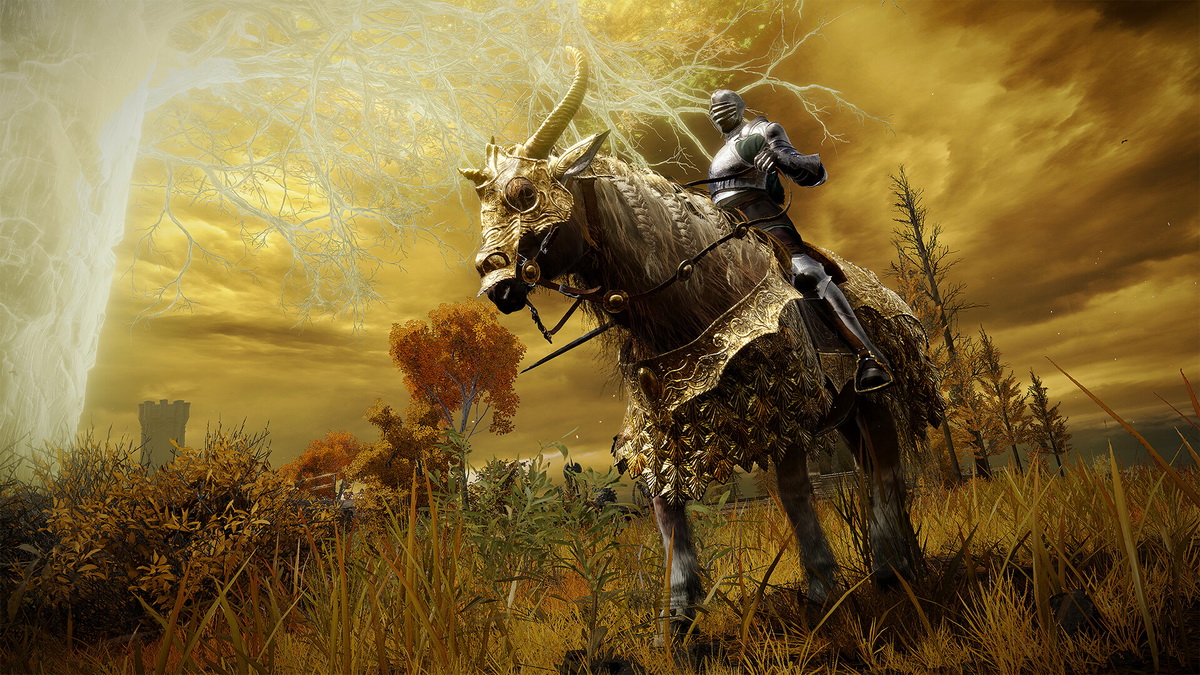
The mount, Torrent, is both a travel tool and a signal. It makes crossing the world faster, lets you escape danger, and allows you to fight from horseback in open areas, though it cannot be summoned indoors in most cases. Using it to scout a region before committing to it is one of the best ways to read the world without paying the price of a fight.
Borrowing Help: The Tools You Are Allowed to Use
A lot of Elden Ring’s difficulty is optional, and the game offers more help than many players take. Using that help is not cheating. It is playing the game as designed.
Spirit Ashes are the most notable example. Once you acquire the item that lets you summon them, you can call spirits to fight beside you in boss arenas and certain other areas. They distract enemies, absorb attacks, and deal damage, and they can be upgraded using materials found in the world. A good summon can turn a punishing duel into a manageable fight, and some players use them for every encounter while others save them for the hardest ones. Both approaches are legitimate. The only wrong approach is refusing help out of pride and then quitting in frustration.
Cooperative summoning lets other players join your world, and the signs are visible on the ground near certain bosses. Fighting alongside a real person can make a fight easier, although boss health also scales up with additional players, so it is not a pure advantage. It is also, for many people, simply more fun.
Consumables are the quiet toolkit that wins fights. Crafted items like throwable pots, arrows, and buffs can be made from materials you gather as you explore, and they offer a lot of flexibility. A weapon coating that adds fire damage, a pot that stuns a large enemy, or a charm that grants resistance can each solve a specific problem. Players who ignore crafting often struggle with fights that become easy once the right consumable is deployed.
Remember, too, that the game gives you options to adjust the fight itself. Fighting from a distance with ranged attacks, luring enemies into more favorable terrain, and exploiting the area around a boss are all valid strategies. A clever approach is often more effective than a perfect execution of a bad one.
Boss Fights: A Simple Loop That Works
Boss fights deserve their own short section because they concentrate everything above into a few intense minutes. A reliable loop for almost any boss looks like this.
First, scout. On the first attempt, your goal is not to win but to see as many attacks as possible. Stay mobile, keep your guard up or your roll ready, and try to learn the rhythm. Dying early in this phase is fine because the information is valuable.
Second, find the safe window. Every boss has an opening in its pattern where you can attack without being punished, usually after a particular move. Identify it, memorize it, and commit to hitting only during that window until it becomes automatic. Resist the temptation to squeeze in one more attack.
Third, use your resources deliberately. If your flasks are limited, plan when to drink them. If you have a buff, apply it before the fight rather than during. If you have a spirit summon, decide in advance whether to use it. Fights are won by preparation as much as execution.
Fourth, adapt. If you keep dying to the same attack, change something. Switch to a shield and learn to block it, swap to a talisman that reduces the damage type it deals, or move to a different position. Repeating the same approach and expecting a different result is the most common trap.
Finally, know when to stop. If a fight is going badly and you feel your frustration rising, go do something else. The world will wait, and the break will often reveal a solution that persistence would not.
Shadow of the Erdtree: A Different Kind of Reading
If you move on to the expansion, the principles remain the same but the numbers change. The new region introduces a separate system of power called the Scadutree Blessing, which increases your damage and defense within the new land and is raised by collecting items scattered across the map. A parallel system strengthens your spirit summons. The practical consequence is that your regular level matters less there, and exploration matters more. If a boss in the expansion feels impossible, the answer is often to go find more of the relevant items rather than to keep hitting your head against the wall.
This is a useful reminder that the game is constantly nudging you toward its core loop: explore, grow, return. The expansion simply makes that nudge explicit.
The Mistakes Almost Everyone Makes
Most of the errors new players make are not about ignorance of mechanics. They are about habits formed before the player understood what the game rewards. A short catalogue may save you a lot of wasted effort:

- Attacking too much and rolling too little. Greed is the leading cause of death. One good hit is better than three risky ones.
- Ignoring stamina. Empty stamina is a defenseless character. Learn to leave a reserve.
- Spreading upgrades across too many weapons. Commit to a weapon you enjoy and strengthen it.
- Hoarding runes. Unspent runes are a liability. Spend them before they are lost.
- Skipping the exploration. The open world is generous, and the player who explores will almost always be stronger than the one who rushes.
- Refusing help. Spirit Ashes, summons, and consumables are part of the game, not shortcuts around it.
- Fighting while frustrated. Anger makes you sloppy, and sloppy play makes you die.
- Not reading descriptions. Item and weapon descriptions contain a surprising amount of useful information, from scaling to lore to hidden effects.
None of these are fatal. All of them are fixable, and the cure in every case is to slow down and pay attention.
The Habit Underneath the Habits
If there is one idea to take from all of this, it is that Elden Ring is a game that rewards attention. It does not hide its rules. It simply refuses to explain them, and it trusts you to notice. The enemy’s body tells you when to strike. Your character sheet tells you where you are weak. The world tells you where to go and where to avoid. Every death is the game’s way of saying: here is what you missed.
That is a more generous reading of difficulty than the one the game’s reputation suggests. The challenge is real, but it is not arbitrary, and almost every defeat contains the seed of its own solution. The skill you are really developing is not fast reflexes or perfect memory. It is the habit of looking at a failure and asking what it tells you, and then using the answer.
Do that consistently and the knight on the bridge, the dragon in the field, and the demigod at the end of the road all become the same thing: a puzzle with a solution you simply have not read yet.