
The Invisible Boundary Thermal Regulation Isolation and the Psychological Weight of Warmth in Winter Burrow
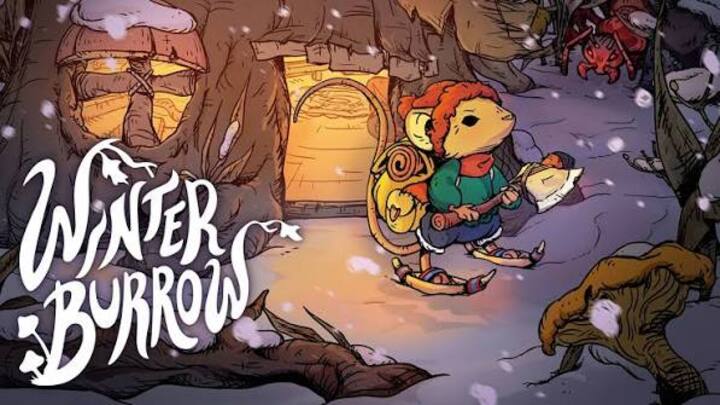
Video games within the survival genre often rely on a predictable cadence of resource accumulation, base building, and incremental power scaling. However, Winter Burrow, developed by Pine Creek Games, subverts these traditional power fantasies by anchoring its entire mechanical and narrative structure around a deeply specific and unrelenting issue: the psychological and mechanical interplay of thermal regulation and isolation. Unlike conventional survival titles where the environment eventually becomes a trivial backdrop to the player's industrialized dominance, Winter Burrow weaponizes the cold. It transforms the dropping temperature from a mere user interface element into an invisible, suffocating boundary that dictates every spatial and emotional decision the player makes.
This article explores the nuanced evolution of the warmth mechanic and how it serves as the defining narrative tool, forcing players to confront the harsh realities of abandonment, resource scarcity, and the desperate psychological need for a safe haven. By analyzing the precise loop of gathering, crafting, and freezing across the game's chronological timeline, we can understand how the developers utilize mechanical friction to evoke a profound sense of isolation and eventual catharsis.
The Initial Frost Arrival and the Illusion of Baseline Comfort
When the diminutive mouse protagonist first arrives at the ruined childhood tree stump, the initial hours of gameplay are deliberately designed to instill a false sense of security. The game introduces the concept of the cold gently, presenting the dropping temperature as a manageable inconvenience rather than an existential threat. The opening tutorial guides the player to gather a few scattered twigs, strike a match, and ignite the central fireplace. In these early moments, the warmth meter depletes at a forgiving rate, and the immediate vicinity of the burrow is littered with easily accessible resources. This gentle onboarding process mirrors the deceptive calm of early autumn, lulling the player into a cozy, pastoral mindset that masks the brutal reality of the mechanics to come.
The Deceptive Abundance of the Overworld Edge
The spatial design of the starting area further reinforces this illusion of baseline comfort. The first few foraging expeditions require minimal planning; the player can wander aimlessly, collect handfuls of dry grass and basic berries, and return to the hearth long before the shivering animations begin to trigger. The game deliberately places these tier one resources in bright, sunlit patches, creating a subconscious association between exploration and reward without the associated risk. However, this abundance is mathematically finite. Every twig gathered from the immediate perimeter is a resource that will not respawn quickly enough to sustain the escalating demands of the hearth, quietly setting the stage for the true survival experience.
As the first few in game days pass, the player exhausts this inner circle of resources, realizing too late that their comfortable routine is mathematically unsustainable. The necessity to venture just a few steps further into the unknown introduces the first real spike in anxiety. The comfortable illusion shatters as the player realizes that the tree stump is not just a home, but a fragile anchor in an expanding ocean of hostility, fundamentally shifting their psychological approach to the environment.
The First Week Establishing the Perimeter and the Reality of Resource Drain
By the time the first in game week concludes, the player is forced to confront the harsh mathematical reality of Winter Burrow's thermal mechanics. Venturing beyond the initial safe zone reveals that the cold does not scale linearly; it compounds. The warmth meter, which previously acted as a gentle reminder to return home, now plummets with terrifying speed as the mouse steps into the shaded, wind swept areas of the forest floor. This introduces the concept of the thermal tether, an invisible leash that dictates exactly how far the player can explore before the frostbite mechanics begin to chip away at their core health pool.
The reality of the resource drain becomes the central focus of the gameplay loop. The fireplace, once a comforting source of light, transforms into a relentless engine that demands constant fuel. The player is forced into a meticulous routine of calculating the exact amount of wood required to survive the night versus the daylight hours needed to chop frozen roots and gather pinecones. Every expedition becomes a desperate mathematical equation: estimating the distance to a new resource node, factoring in the movement speed penalty of the terrain, and calculating whether the return trip is survivable with the current level of insulation.
This meticulous route planning elevates the simple act of walking into a high stakes puzzle. Players find themselves physically leaning closer to their screens, watching the blue frost creep up the edges of the display as they frantically scramble back toward the entrance of the tree stump. The game successfully weaponizes distance, making a journey of fifty virtual feet feel like an arduous, life threatening expedition across a frozen wasteland.
Week Two The Fireplace as the Mechanical and Emotional Anchor
As the second week sets in, the emotional weight of the game fully centralizes around the ruined fireplace. The hearth requires continuous upgrades, demanding rarer materials that force the player deeper into the freezing overworld. However, the fireplace is not merely a crafting station; it serves as the ultimate psychological anchor for both the protagonist and the player. Returning to the burrow after a harrowing, near death expedition and watching the mouse warm its paws by the crackling flames provides a profound sense of mechanical relief that transcends standard gameplay rewards. The fire represents life, memory, and the slow reclamation of a lost childhood home.
The Auditory Design of the Dying Ember
The developers masterfully use sound design to reinforce the critical importance of the hearth. When the fire is fully stoked, the burrow is filled with a rich, comforting crackle that completely masks the ambient noise of the outside world. However, as the fuel dwindles, this comforting sound subtly fades, replaced by the howling, hollow wind of the winter storm outside. This auditory shift is a brilliant piece of psychological conditioning. Long before the user interface flashes a low fuel warning, the player feels a rising sense of anxiety driven entirely by the shifting soundscape, compelling them to drop their current crafting task and frantically search their inventory for spare wood.
This dynamic creates a profound emotional dependency on the fire. The player begins to view the hearth not just as a tool, but as a fragile companion that must be nurtured and protected. The panic that sets in when returning home with a depleted inventory, only to find the fire completely extinguished and the burrow plunged into freezing darkness, is one of the most affecting experiences in Winter Burrow, solidifying the emotional stakes of the survival loop.
The First Month Clothing Progression and the Tactile Struggle for Insulation
Survival in the first month is entirely dependent on the game's intricate tailoring system, which serves as the primary method for expanding the player's exploratory radius. Crafting clothing in Winter Burrow is not a simple matter of clicking a button in a menu; it is a painstakingly slow, tactile struggle against the elements. The transition from weaving brittle, dry grass into a rudimentary shawl to knitting heavy, insulated wool sweaters represents a massive leap in mechanical power, but the game makes the player earn every single stitch through perilous gathering missions.
The material scarcity defines this era of the game. Finding the necessary components for higher tier clothing requires venturing into the most hostile territories, often requiring the player to push their warmth meter to the absolute breaking point just to retrieve a single tuft of discarded animal fur or a strong piece of spider silk. The tailoring process itself takes valuable in game time, meaning the player must sacrifice precious daylight hours that could have been spent gathering food or wood, forcing a constant, agonizing prioritization of needs.
What makes this progression so compelling is the marginal gains it provides. A newly crafted winter coat does not render the player immune to the cold; it simply buys them an extra thirty seconds of exploration time before the freezing mechanics take hold. Yet, in the unforgiving landscape of Winter Burrow, those thirty seconds are monumental. They represent the difference between safely reaching a new foraging biome or collapsing in the snow mere inches from the burrow entrance. This restraint in power scaling ensures that the environment remains a constant, looming threat.
Mid Winter Caloric Burn and the Synergistic Punishment of the Elements
As the timeline crosses into mid winter, Winter Burrow introduces the devastating synergy between its survival systems. The thermal regulation mechanic no longer exists in a vacuum; it begins to directly impact the caloric burn rate of the protagonist. When the warmth meter drops below a certain threshold, the mouse's body enters a state of shivering thermogenesis, causing the hunger meter to deplete at an alarmingly accelerated rate. This interlocking system punishes poor planning with cascading failures, where being slightly too cold quickly spirals into imminent starvation.
The Vicious Cycle of the Frozen Forage
This synergy creates the most terrifying gameplay loops in the entire experience. A player might find themselves trapped in a vicious cycle where they are too cold to venture out for food, but remaining by the fire requires burning calories they no longer have. The desperate decision to leave the safety of the warm burrow with an empty stomach, knowing that the cold will drain the last remnants of their energy, captures the harrowing reality of winter survival. It transforms basic resource gathering into a high stakes gamble with the protagonist's life on the line.
The game forces the player to meticulously balance their internal state before ever stepping foot outside. Eating a hot, cooked meal provides a temporary buff to thermal resistance, but cooking consumes both valuable food resources and precious firewood. The player is constantly weighing the long term benefits of caloric stockpiling against the immediate necessity of thermal endurance, resulting in a deeply cerebral and stressful mid game experience that tests their mastery of every interconnected mechanic.
The Deep Freeze Environmental Hostility and the Shifting Topography of Snow
The arrival of the deep freeze completely alters the physical landscape of Winter Burrow. The snow, which previously dusted the ground in a picturesque layer, now accumulates in massive, obstructing drifts. This shifting topography physically alters the routes the player has spent weeks memorizing. Safe paths become impassable walls of white, and vital resource nodes are buried entirely, forcing the player to adapt to an environment that actively resists their presence. The game brilliantly uses the weather to erase the player's hard earned sense of spatial familiarity.
The mechanical penalty of this deep snow is severe. Moving through unmapped drifts drastically reduces the protagonist's movement speed, which in turn means they are exposed to the freezing temperatures for significantly longer periods. A journey that took two minutes in the early weeks now takes five, fundamentally breaking the mathematical formulas the player has been relying on to survive. This forces the adoption of new strategies, such as painstakingly shoveling paths or crafting specialized snowshoes, which further drains resources and time.
The psychological impact of seeing the known world swallowed by an alien, hostile white void cannot be overstated. The deep freeze isolates the player not just physically, but emotionally, reinforcing the theme that the wilderness is an untamable force. The loss of familiar landmarks induces a persistent sense of disorientation and vulnerability, ensuring that complacency is immediately punished by the unforgiving environment.
The Blizzard Season The Burden of Nightfall and the Shrinking Safe Zone
During the blizzard season, the day and night cycle becomes the ultimate arbiter of life and death. While daytime exploration is fraught with danger, the setting sun brings a precipitous drop in temperature that makes the outside world instantly lethal. The warmth meter, which drains slowly in the midday sun, evaporates in mere seconds once the shadows lengthen. This creates a frantic, daily climax where the player must drop whatever they are doing and sprint back to the burrow as the ambient lighting shifts from a cool blue to a terrifying, pitch black darkness.
Nocturnal Vulnerability and the Freeze Response
The darkness also brings the threat of nocturnal predators and insect encounters. The genius of Winter Burrow's design is that combat is heavily influenced by the player's thermal state. When freezing, the mouse's stamina regeneration is crippled, making it nearly impossible to fight off or flee from a sudden threat. An encounter that would be trivial in the warmth of the day becomes a desperate, flailing struggle for survival in the freezing night. The cold acts as a debuff that amplifies every other danger in the world.
This shrinking safe zone enforces a rigid, almost claustrophobic schedule. The player feels the crushing burden of time management, constantly glancing at the sky and the creeping shadows. The psychological relief of slamming the burrow door shut just as a blizzard rolls in, the screen shaking with the force of the wind while the mouse huddles by the fire, is a masterclass in building and releasing tension. It highlights the stark dichotomy between the lethal chaos of the outside world and the fragile order of the home.
The Longest Night Late Winter Despair and the Limits of Preparedness
The climax of the game's difficulty curve arrives during the longest nights of late winter. During these brutal, multi day storm events, the game aggressively tests the limits of the player's preparedness. The external temperatures drop so low that standard clothing offers virtually no protection, effectively trapping the player indoors. However, Winter Burrow refuses to let the interior be a completely safe haven. During peak blizzards, the ambient temperature inside the burrow begins to drop unless the fireplace is stoked to its maximum capacity, burning through fuel reserves at a terrifying, unsustainable rate.
This mechanic induces a profound sense of helplessness. The player is forced to sit by the fire, watching their hard earned stockpile of wood and food vanish before their eyes, completely powerless to venture outside to replenish them. It is an agonizing test of endurance, where survival is not about active gameplay, but about hoping that the meticulous hoarding of the past weeks is sufficient to outlast nature's fury. The game strips away the illusion of control, reminding the player that despite their tailored coats and upgraded hearth, they are still just a small creature at the mercy of the elements.
The despair felt during these moments is a testament to the game's narrative alignment. The player shares the protagonist's claustrophobia and anxiety, pacing the small floorplan of the burrow, calculating whether their supplies will last until dawn. When the storm finally breaks, the sense of survival is earned not through combat or reflexive skill, but through grueling patience and ultimate respect for the raw power of the winter season.
The Breaking of the Frost Reclaiming the Burrow Through Strategic Mastery
Surviving the darkest days eventually leads to the gradual breaking of the frost. As the timeline pushes toward the end of winter, the mechanical stranglehold of the cold begins to loosen slightly. The warmth meter drains a fraction slower, and the movement speed penalties begin to lift as the snowbanks recede. However, this is not merely an automatic reward; it is the culmination of the player's strategic mastery over the environment. Through advanced crafting, efficient routing, and rigorous resource management, the player finally transitions from desperately surviving to actively reclaiming their territory.
This late game phase focuses on automation and establishing a dominant foothold over the once hostile landscape. The player utilizes advanced techniques to conquer the cold completely. A definitive list of these learned strategies includes:
- Maximizing thermal retention through multi layered clothing combinations tailored to specific biomes.
- Establishing forward operating waypoints with hidden caches of firewood for emergency fire starting during long expeditions.
- Caloric stockpiling during minor weather reprieves, utilizing preservation techniques to survive unexpected major storms.
- Synchronizing sleep cycles with the most brutal external temperature drops to minimize wakeful resource burn.
Implementing these strategies transforms the gameplay experience. The burrow evolves from a desperate, fragile shelter into a true, fortified home. The player can now confidently stride into areas that once spelled certain death, viewing the environment not as a terrifying antagonist, but as a space they have rightfully earned the ability to traverse. This mechanical shift perfectly mirrors the narrative journey of overcoming trauma and reclaiming one's agency.
The Spring Thaw Emotional Catharsis and Reflecting on the Metaphor of the Winter Burrow
As the final weeks conclude and the first signs of the spring thaw emerge, Winter Burrow delivers a profound emotional catharsis. The visual transformation is striking; the oppressive, blinding whites and stark blues of the deep freeze are slowly replaced by the warm, gentle greens and browns of the awakening earth. The sound design shifts from the howling, aggressive wind to the soft, rhythmic dripping of melting ice and the distant chirping of returning wildlife. The physical relief felt by the player as the warmth interface element finally disappears from the screen is palpable, lifting a psychological weight that has been borne for hours of gameplay.
This relief allows the player to reflect on the thematic depth of the experience. The winter season in the game serves as a brilliant metaphor for periods of intense isolation, grief, and the painstaking labor required to rebuild a life after a devastating loss. The cold was never just an obstacle; it was a teacher. It demanded patience, discipline, and the understanding that true comfort is built slowly, stick by stick and stitch by stitch. The ruined tree stump, once a symbol of abandonment, now stands as a monument to resilience.
Ultimately, Winter Burrow transcends its genre by proving that survival mechanics do not have to be an end unto themselves. When meticulously tied to the narrative and emotional state of the protagonist, the simple act of staying warm becomes a deeply moving storytelling device. The game leaves a lasting impression, reminding players of the profound value of a safe haven and the enduring strength required to wait out the longest, darkest winters.
Conclusion
In dissecting the intricate mechanics of Winter Burrow, it becomes evident that Pine Creek Games has crafted a masterpiece of atmospheric tension and narrative design. By elevating the concept of cold from a generic environmental hazard to a complex, compounding system of thermal regulation, caloric burn, and psychological pressure, the developers successfully aligned the player's emotional state with that of the diminutive mouse protagonist. The journey from the deceptive comfort of the early autumn frost to the grueling, claustrophobic despair of the deep winter blizzards is a harrowing test of resourcefulness and patience. Yet, it is exactly this relentless mechanical friction that makes the eventual spring thaw so deeply cathartic. Winter Burrow stands as a profound testament to the power of indie game design, proving that the most compelling stories are often those told not through grand dialogue or epic set pieces, but through the quiet, desperate struggle to keep the fire burning through the longest night.