
Subnautica 2 Tips & Guides – Complete Guide to Underwater Survival
<h1>Subnautica 2 Tips & Guides – Complete Guide to Underwater Survival</h1>
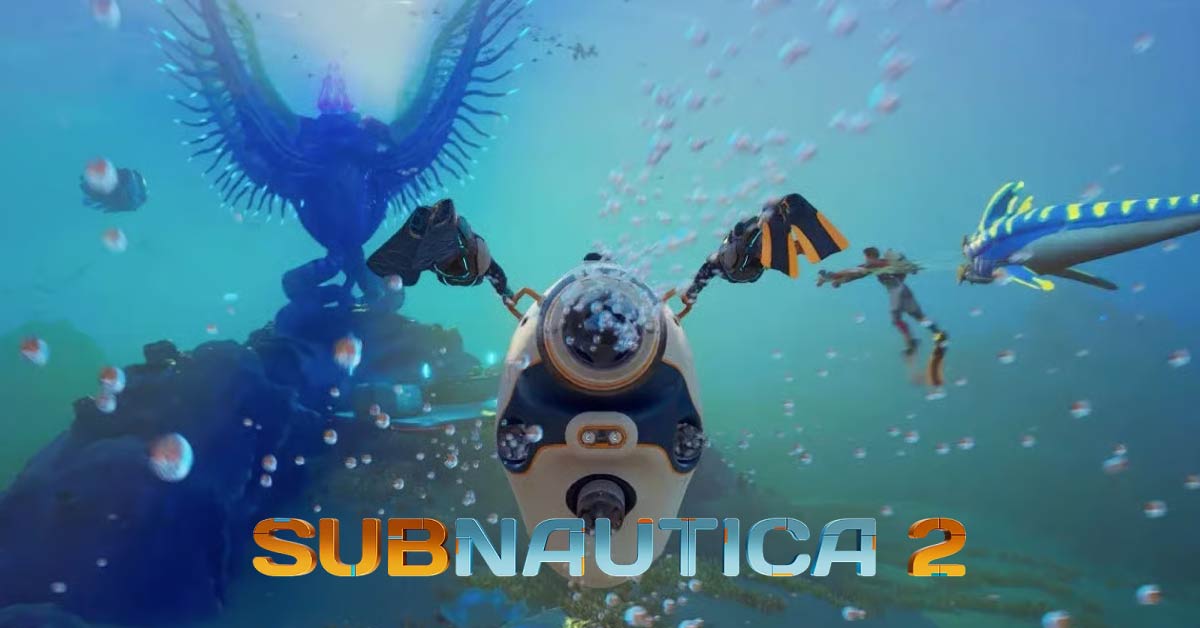
<p>Subnautica 2 takes players to an unfamiliar alien ocean where exploration, survival, crafting, and discovery are at the heart of the adventure. Developed by Unknown Worlds, this underwater survival game introduces a new world filled with mysterious ecosystems, unusual creatures, and opportunities to build a life beneath the surface. Whether you are a newcomer to the series or a returning fan, learning how to manage resources, explore safely, and prepare for dangerous encounters will help you make the most of your journey.</p>
<p>Surviving underwater requires a different mindset from traditional action games. You must think about oxygen, health, available supplies, navigation, and the dangers that may be hiding beyond your current field of view. Every expedition is an opportunity to discover something valuable, but exploring too far without proper preparation can turn a promising trip into a difficult situation. Understanding when to explore, when to retreat, and what to bring with you is essential.</p>
<p>Subnautica 2 also supports cooperative multiplayer for up to four players, allowing friends to explore, gather materials, and work together. Its Early Access development means gameplay systems and available content may evolve through updates. This guide focuses on practical survival principles and established features, helping you build strong habits whether you prefer playing alone or exploring with a team.</p>
<h2>1. Learn the Basics of Subnautica 2</h2>
<p>Before venturing into deeper waters, spend time learning the basic controls and survival systems. Understand how to swim, interact with objects, collect resources, access your inventory, and use your available tools. Pay attention to the interface because it provides important information about your character's condition, equipment, and immediate needs. Becoming familiar with these fundamentals helps you react more confidently when something unexpected happens.</p>
<p>Subnautica 2 takes place on a new alien world rather than returning players to the original game's Planet 4546B. That means previous experience can help you understand the general survival formula, but you should not assume every creature, resource, location, or crafting requirement works exactly as it did in earlier games. Treat unfamiliar environments as opportunities to learn and rely on the information provided by your current version.</p>
<h3>Understand your survival priorities</h3>
<ul> <li><strong>Oxygen:</strong> Monitor your remaining breathing time whenever you explore underwater.</li> <li><strong>Health:</strong> Avoid unnecessary encounters and respond quickly when you take damage.</li> <li><strong>Resources:</strong> Collect useful materials for crafting, upgrades, and construction.</li> <li><strong>Navigation:</strong> Remember recognizable landmarks and the routes connecting important areas.</li> <li><strong>Progression:</strong> Use discoveries and available blueprints to improve your equipment.</li> </ul>
<h3>Choose a suitable game mode</h3>
<p>During Early Access, Subnautica 2 offers Survival and Creative modes. Survival is suitable for players who want to experience resource gathering and the pressure of staying alive, while Creative provides a more relaxed way to explore and experiment with available building systems. Choose the mode that matches your goals and experience level.</p>
<p>If you are new to underwater survival games, take your time with the opening stages. Learn how your equipment works before attempting long expeditions, and check the available crafting options regularly. Understanding the relationship between exploration, materials, and upgrades will make later challenges easier to manage.</p>
<h2>2. Collect Essential Resources and Craft Useful Tools</h2>
<p>Resource gathering is one of the foundations of Subnautica 2. Materials collected from the environment can support crafting, equipment upgrades, and base construction. When you discover an unfamiliar resource, pay attention to its name, appearance, and any information available through the game's interface. Some materials may become important later, so learning to recognize them can save time during future expeditions.</p>
<p>At the beginning of a playthrough, prioritize resources that help you stay alive and explore more efficiently. Avoid filling your inventory with every material you encounter. Instead, collect what you need for your immediate goals and keep enough room for useful discoveries. As you unlock additional recipes, adjust your gathering priorities to match your next planned upgrade or construction project.</p>
<h3>Build a resource-gathering routine</h3>
<ol> <li>Check your current inventory before leaving a safe area.</li> <li>Review available crafting recipes and identify missing materials.</li> <li>Explore nearby areas for the resources needed to complete those recipes.</li> <li>Collect useful materials without ignoring your oxygen and health.</li> <li>Return to a safe location to craft equipment or organize your inventory.</li> </ol>
<h3>Craft with a clear purpose</h3>
<p>Before creating an item, consider how it will improve your next expedition. Tools that support resource collection, navigation, repair, or survival can provide more immediate value than equipment you do not yet need. Check the requirements for important recipes and gather the necessary components before leaving your base or starting a longer journey.</p>
<p>It is also useful to review your crafting menu after making new discoveries. Scanning or investigating unfamiliar objects may help you understand the available technology and unlock additional possibilities. As the game develops through Early Access, crafting recipes and progression systems may change, so verify the requirements in your current build rather than relying entirely on older guides.</p>
<h2>3. Manage Oxygen and Survive Longer Underwater</h2>
<p>Oxygen management is one of the most important skills in any underwater survival adventure. Your available breathing time limits how far you can explore before returning to a safe source of air. A location may look close when viewed from the surface, but reaching it, searching its surroundings, and swimming back can take longer than expected. Always consider the complete journey rather than estimating only the time needed to reach your destination.</p>
<p>When exploring a new area, begin with short trips and gradually increase the distance as you become familiar with the environment. Keep track of your oxygen while collecting resources or investigating points of interest. If you discover something interesting but your remaining breathing time is low, remember its location and return later with a better plan. A valuable discovery is not worth risking an otherwise successful expedition.</p>
<h3>Use a safe diving routine</h3>
<ul> <li>Check your oxygen supply before descending.</li> <li>Identify the route back to a safe breathing point.</li> <li>Avoid getting distracted by distant resources when your oxygen is running low.</li> <li>Learn the locations of nearby landmarks that can help you navigate.</li> <li>Return early when the route becomes unfamiliar or more dangerous than expected.</li> </ul>
<h3>Improve your underwater efficiency</h3>
<p>Try to complete several useful tasks during a single trip when they are located close together. For example, you might gather a required material, scan a nearby object, and investigate a small area before returning. However, do not add extra tasks when doing so would leave you with too little time to reach safety.</p>
<p>As you unlock better equipment, reassess how far you can travel and how much time you can spend underwater. Improved capabilities may make longer expeditions practical, but they do not eliminate the need to plan. Unexpected obstacles, unfamiliar terrain, or dangerous creatures can still make the return journey more difficult than anticipated.</p>
<h2>4. Explore Biomes and Discover Hidden Locations</h2>
<p>Exploration is a major part of Subnautica 2, with an alien ocean containing varied environments and ecosystems. Different areas can offer new resources, unfamiliar creatures, environmental details, and discoveries that help you understand the world. When entering a new biome, observe the surroundings before moving deeper. Changes in terrain, visibility, vegetation, and creature behavior can provide clues about what kind of environment you are entering.</p>
<p>Do not assume that every interesting location is safe or immediately accessible. Some areas may contain hostile creatures or require better equipment before they can be explored comfortably. Begin by investigating nearby points of interest and identifying a reliable route back. As your knowledge grows, you can gradually venture into more unfamiliar environments with greater confidence.</p>
<h3>Explore one area at a time</h3>
<ul> <li>Identify distinctive landmarks before moving away from familiar territory.</li> <li>Search nearby terrain for useful materials and points of interest.</li> <li>Observe creature behavior before approaching unfamiliar species.</li> <li>Remember locations that contain resources needed for future upgrades.</li> <li>Return to previously explored areas when new equipment makes them easier to access.</li> </ul>
<h3>Use discoveries to guide your next expedition</h3>
<p>When you find a new material, creature, or unusual structure, consider how it might relate to your progression. Make a mental note of the location and whether you need better equipment to investigate it further. This turns exploration into a sequence of purposeful trips instead of a series of random journeys.</p>
<p>Navigation becomes especially important as the world opens up. Use the game's available map, signals, and navigation tools where applicable. If you are playing with friends, communicate the locations of useful discoveries so the group can return together. In cooperative sessions, clear markers and agreed destinations can reduce the time spent searching for one another.</p>
<h2>5. Recognize Dangerous Creatures and Avoid Unnecessary Fights</h2>
<p>The alien ocean is not just a place to collect resources. It is also an ecosystem containing creatures with different behaviors, and some encounters can be dangerous. When you discover an unfamiliar species, observe it from a safe distance before approaching. Pay attention to how it moves, whether it reacts to your presence, and whether the environment provides a safe route away from it.</p>
<p>Combat is not always the best solution. In a survival adventure, avoiding an encounter can preserve health, equipment, and time. If a creature appears aggressive or significantly larger than you expected, consider changing direction instead of attempting to fight it immediately. You can return later after learning more about its behavior or obtaining equipment that makes the situation more manageable.</p>
<h3>Use observation before taking action</h3>
<ul> <li>Keep a safe distance from unfamiliar or potentially hostile creatures.</li> <li>Watch for changes in movement that may indicate an approaching threat.</li> <li>Identify escape routes before investigating a dangerous area.</li> <li>Avoid becoming distracted by resources while a hostile creature is nearby.</li> <li>Retreat when the risk outweighs the value of continuing the expedition.</li> </ul>
<h3>Prepare for dangerous encounters</h3>
<p>Before exploring a region that appears hazardous, check your health, oxygen supply, equipment, and available defensive options. Learn what your current tools can and cannot do, and do not assume that every creature can be defeated with the same tactic. If the game provides tools that can distract, repel, or temporarily stun certain creatures, learn their behavior and limitations before depending on them in an emergency.</p>
<p>After an encounter, think about what caused the danger. You may have entered the area too quickly, approached a creature from the wrong direction, or stayed too long while collecting resources. Correcting these mistakes can be more effective than immediately trying the same route again. The goal is to explore more safely, not to fight every creature you encounter.</p>
<h2>6. Build a Practical Underwater Base</h2>
<p>Building a base gives you a place to organize resources, develop your equipment, and prepare for future expeditions. Subnautica 2 includes customizable base-building systems, allowing players to create structures suited to their needs. Rather than starting with an enormous complex, focus on establishing a practical base that supports your immediate survival and progression goals.</p>
<p>Location matters when planning a base. Consider how easily you can reach useful resources, how convenient the area is for returning from expeditions, and whether the surrounding environment presents unnecessary risks. A beautiful location may be appealing, but a well-positioned base should also make everyday activities easier. You can expand and customize the structure as your collection of materials and available building options grows.</p>
<h3>Plan your base before building</h3>
<ul> <li>Choose a location that supports your regular exploration routes.</li> <li>Gather the required materials before starting a major construction project.</li> <li>Prioritize useful spaces and essential facilities over decoration.</li> <li>Organize storage so you can find important resources quickly.</li> <li>Leave room for future expansion when possible.</li> </ul>
<h3>Make your base useful and easy to maintain</h3>
<p>A good base should reduce the time you spend preparing for each expedition. Keep commonly used materials and equipment organized, and place frequently accessed facilities where they are convenient to reach. If you regularly return from exploration with different types of resources, establish a simple storage routine so you can quickly identify what you have and what you still need.</p>
<p>Base building is also an opportunity to experiment with creative layouts. Once your basic needs are covered, try different room arrangements and architectural styles. Since the game is in Early Access, available building pieces and features may expand over time. Check the current builder menu for available options and use the materials you can reliably collect rather than planning around features that are not yet available in your version.</p>
<h2>7. Upgrade Equipment and Use Vehicles Wisely</h2>
<p>As your exploration expands, you will benefit from improving your equipment and learning how the available vehicles work. Upgrades can help you access new opportunities, travel more efficiently, or manage difficult environments. However, each improvement should support a clear goal. Before spending valuable materials, consider whether the upgrade addresses a limitation you have encountered during recent expeditions.</p>
<p>Subnautica 2 features underwater vehicles, including the Tadpole, that support exploration in the alien ocean. Before relying on a vehicle for a long journey, learn its controls, capabilities, and limitations. Understand how it fits into your travel plans and whether the area you intend to visit is appropriate for your current equipment. Do not assume that having a vehicle makes every region safe.</p>
<h3>Prioritize meaningful upgrades</h3>
<ol> <li>Identify the main obstacle limiting your current exploration.</li> <li>Review available equipment and upgrade options.</li> <li>Check the materials required to unlock or craft the improvement.</li> <li>Gather the necessary resources and complete the upgrade.</li> <li>Test the improved equipment before committing to a demanding expedition.</li> </ol>
<h3>Prepare before traveling farther from your base</h3>
<p>Before using a vehicle to explore unfamiliar territory, check your equipment and confirm that you understand the route. Keep track of important landmarks and avoid traveling farther than your preparation allows. A vehicle can make exploration more convenient, but navigation and environmental awareness remain essential.</p>
<p>It is also useful to keep your equipment in good working order if the current game systems require maintenance or repairs. Learn which tools support these tasks and how to obtain the necessary materials. Preparing for common equipment problems can prevent a small inconvenience from interrupting a valuable expedition.</p>
<h2>8. Survive Better by Managing Health and Supplies</h2>
<p>Successful exploration depends on more than oxygen and navigation. Health, consumable supplies, and available equipment all affect how safely you can travel. Before leaving your base, review your condition and check whether you have the items needed for the journey. A short trip near a familiar location may require little preparation, while an extended expedition into an unfamiliar biome deserves more careful planning.</p>
<p>Learn how the game's medical and survival items work instead of assuming that every consumable has the same effect. Check item descriptions and understand which situations they are designed to address. When you take damage, prioritize reaching a safer position before continuing to explore. Rushing into another encounter while injured can turn a manageable problem into a much more serious one.</p>
<h3>Create a pre-dive checklist</h3>
<ul> <li>Confirm that your oxygen supply is sufficient for the planned route.</li> <li>Check your current health and bring appropriate supplies when available.</li> <li>Make sure you have the tools needed to gather your target resources.</li> <li>Review available inventory space before leaving.</li> <li>Identify a safe return route and avoid extending the trip without a reason.</li> </ul>
<h3>Know when to return home</h3>
<p>One of the most common survival mistakes is continuing an expedition after the original objective has already been completed. You may discover another resource or interesting location, but every additional detour increases the time and risk involved. If you have collected the materials you need or your supplies are running low, consider returning to your base and preparing for the next trip.</p>
<p>After returning, organize your inventory, replenish necessary supplies, and review your next objective. This creates a reliable cycle of preparation, exploration, and improvement. Over time, you will become better at estimating what each expedition requires and will spend less time recovering from preventable mistakes.</p>
<h2>9. Explore With Friends and Make the Most of Co-op</h2>
<p>Subnautica 2 supports online cooperative play for up to four players, giving friends the opportunity to explore the alien ocean together. Cooperative play can make gathering resources, discovering new locations, and preparing for dangerous encounters more enjoyable. It also introduces new responsibilities, because teammates need to communicate, coordinate their movements, and understand what the group is trying to accomplish.</p>
<p>Before starting a cooperative expedition, agree on a destination and a simple plan. Decide whether the group will focus on collecting materials, exploring a new biome, investigating a point of interest, or returning with specific resources. Without a shared goal, players may spread out too far or spend time repeating tasks that another teammate has already completed.</p>
<h3>Coordinate roles and resources</h3>
<ul> <li><strong>Exploration:</strong> Identify routes and report useful discoveries to the group.</li> <li><strong>Resource gathering:</strong> Collect materials needed for the shared objective.</li> <li><strong>Navigation:</strong> Help the team maintain direction and locate important landmarks.</li> <li><strong>Base support:</strong> Organize materials and help prepare equipment for the next expedition.</li> <li><strong>Team safety:</strong> Communicate when someone encounters danger or needs assistance.</li> </ul>
<h3>Communicate clearly underwater</h3>
<p>Use the communication tools available in your current version to share important information. Subnautica 2's Buddy System update introduced features including proximity voice chat, player revives, emotes, and direct player trading. Proximity chat makes distance relevant to communication, so avoid assuming that teammates far away will hear every message. Agree on simple signals or regrouping points before splitting up.</p>
<p>If a teammate gets into trouble, coordinate your response instead of having everyone rush into danger without a plan. The revive system can provide an opportunity to help a downed player, but the group should still consider nearby threats and the safest way to respond. Sharing resources and communicating discoveries can make cooperative sessions more efficient while reducing unnecessary risks.</p>
<h2>10. Develop an Advanced Survival Strategy</h2>
<p>Once you understand the core systems, focus on developing a repeatable approach to exploration. Begin each session by reviewing your current objectives, checking your equipment, and identifying the resources you need. Plan an expedition that fits your available supplies, then return to your base to craft, organize, and prepare for the next stage. This routine helps turn a large open world into a series of manageable goals.</p>
<p>Advanced survival is not about exploring as quickly as possible. It is about making informed decisions, learning from the environment, and knowing when to change your plan. If a region proves too dangerous, improve your equipment or explore another area first. If you repeatedly run out of oxygen, shorten your route and learn the nearby terrain before attempting a longer trip.</p>
<h3>Build a progression routine</h3>
<ol> <li><strong>Review:</strong> Check your current goals and identify missing resources.</li> <li><strong>Prepare:</strong> Organize your inventory and craft useful equipment.</li> <li><strong>Explore:</strong> Follow a planned route and investigate relevant locations.</li> <li><strong>Return:</strong> Head back when your objective is complete or your supplies become limited.</li> <li><strong>Improve:</strong> Use gathered materials to unlock useful upgrades and expand your base.</li> </ol>
<h3>Learn from every expedition</h3>
<p>After returning, think about what worked and what could be improved. Did you travel too far before returning? Did you gather materials that were not useful for your current objective? Did you overlook a safer route or approach a creature without observing its behavior? Identifying one or two improvements helps you make each subsequent expedition more efficient.</p>
<h4>Stay flexible as Early Access evolves</h4>
<p>Subnautica 2 is being developed through Early Access, so new regions, creatures, equipment, and gameplay adjustments may change the best strategies over time. Check current patch notes when a familiar mechanic behaves differently or when a new feature becomes available. Treat older guides as useful references, but confirm important details in your current version.</p>
<p>Most importantly, allow yourself to explore at your own pace. Discoveries, unexpected encounters, and the feeling of venturing into unfamiliar waters are central to the experience. With a solid survival routine and a willingness to adapt, you can make steady progress without turning every expedition into a race.</p>
<h2>Conclusion: Master the Ocean in Subnautica 2</h2>
<p>Subnautica 2 rewards players who combine curiosity with careful preparation. Learning the controls, gathering useful resources, managing oxygen, exploring new biomes, and understanding creature behavior will help you survive more confidently. Building a practical base and upgrading your equipment can open new opportunities, while cooperative play adds another layer of strategy for players who prefer exploring with friends.</p>
<p>Remember to plan each expedition around a clear objective, keep track of your supplies, and return to safety before a manageable situation becomes dangerous. Avoid unnecessary encounters, learn from failed attempts, and use your discoveries to improve your next journey. As you become more familiar with the alien ocean, you will develop better instincts for navigation, resource management, and survival.</p>
<p>Use these Subnautica 2 Tips & Guides as a foundation for your adventure. Whether you are exploring alone or working with a team, patience and smart preparation can help you uncover more of the world, build a stronger base, and enjoy the mysteries waiting beneath the surface.</p>
<p><strong>Article Summary:</strong> Learn Subnautica 2 tips for underwater survival, oxygen management, resource gathering, exploration, creature encounters, base building, upgrades, and cooperative gameplay.</p>