
Reverse: 1999: The Ultimate Hot Game Guide on How to Master Time-Bending Battles

Reverse: 1999 is a fantasy role-playing game that combines turn-based combat, character collection, and an intriguing time-travel storyline. Developed by Bluepoch, the game introduces players to a mysterious world where an unusual phenomenon known as the Storm causes time to move backward, changing the course of history.
Players take on the role of Vertin, a young Timekeeper who travels through different historical periods while searching for answers about the Storm. With its distinctive visual presentation, memorable characters, and strategic card-based combat, Reverse: 1999 has become a hot game for mobile players who enjoy story-driven RPG experiences.
Whether you are a beginner or an experienced player, understanding character roles, card combinations, team composition, and resource management can help you become more effective. This guide explores the essential strategies for mastering Reverse: 1999.
1. Discovering the Origins of Reverse: 1999
Reverse: 1999 offers a unique fantasy setting inspired by different historical periods, artistic movements, and supernatural mysteries. Its story follows Vertin as she encounters various characters and investigates the strange effects of the Storm.
The game stands out through its combination of storytelling and tactical gameplay.
- Time-travel storyline: Explore different eras and uncover secrets surrounding the Storm.
- Distinctive characters: Meet Arcanists with unique personalities and abilities.
- Atmospheric presentation: Experience detailed environments and an artistic visual style.
- Strategic gameplay: Use cards and character abilities to overcome challenging encounters.
These elements make Reverse: 1999 a hot game for players who appreciate imaginative worlds and story-driven adventures.
2. Understanding the Basic Combat Mechanics
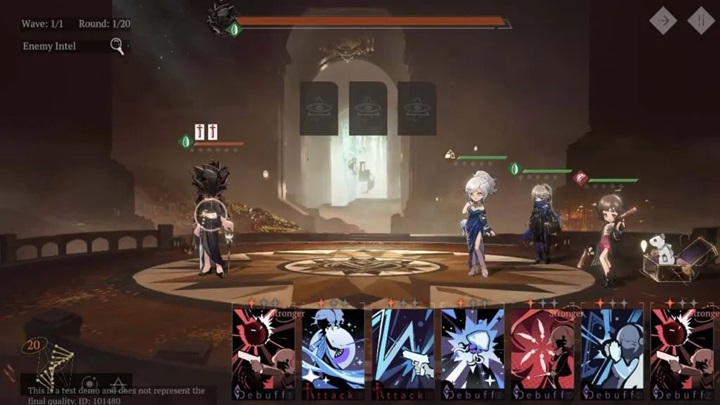
Combat in Reverse: 1999 is turn-based and revolves around using skill cards to attack enemies, support teammates, and control the battlefield.
Each character has different abilities, so learning how to use their cards effectively is essential.
- Skill cards: Use character-specific cards to deal damage or activate special effects.
- Card merging: Combine identical cards of the same level to create stronger versions.
- Incantation levels: Improve certain abilities by merging their cards.
- Ultimate abilities: Build up the necessary energy to unleash powerful attacks.
- Action planning: Choose the right combination of cards based on the current battle situation.
Understanding these mechanics helps players make better decisions and avoid wasting valuable actions.
3. Building a Balanced Arcanist Team
Team composition is one of the most important aspects of Reverse: 1999. Every Arcanist has unique strengths, and combining characters with complementary abilities can significantly improve your performance.
A balanced team should provide enough damage while maintaining survivability.
- Damage dealers: Focus on eliminating enemies through powerful attacks.
- Support characters: Provide buffs and improve the effectiveness of teammates.
- Healers: Restore health and help the team survive longer battles.
- Control specialists: Apply debuffs or disrupt enemy strategies.
- Team synergy: Select characters whose abilities work effectively together.
Rather than choosing characters based only on their individual strength, consider how they contribute to the entire team.
4. Exploring Afflatus Types and Enemy Weaknesses
Reverse: 1999 features an Afflatus system that influences combat matchups. Understanding the relationships between different Afflatus types can help players choose more effective teams.
Preparing for enemy weaknesses is particularly important in difficult battles.
- Study Afflatus relationships: Learn which types have advantages against others.
- Check enemy information: Review opponents before selecting your team.
- Choose suitable attackers: Use characters with favorable matchups whenever possible.
- Adapt your formation: Change your lineup when enemies require different strategies.
Understanding these relationships can provide a significant advantage throughout this hot game.
5. Managing Resources and Character Progression
Developing your Arcanists requires resources for leveling, Insight upgrades, Resonance, and other progression systems.
Because materials can be limited, players should prioritize their investments carefully.
- Focus on your main team: Strengthen characters that contribute regularly to your battles.
- Complete daily activities: Collect useful materials and progression rewards.
- Upgrade Insight: Unlock additional character development and improve combat potential.
- Improve Resonance: Invest in upgrades that support each character's role.
- Plan your resources: Avoid spreading materials across too many characters at once.
A focused progression strategy makes it easier to overcome difficult stages without wasting valuable resources.
6. Mastering Card Combinations and Ultimate Abilities
The card system is the foundation of Reverse: 1999's combat strategy. Knowing when to merge cards, use powerful abilities, or save resources for an Ultimate can change the outcome of a battle.
Good card management requires both planning and flexibility.
- Merge cards strategically: Combine cards when the stronger ability provides meaningful benefits.
- Prioritize important actions: Decide which characters need to act first.
- Manage Moxie: Build Ultimate energy through combat actions.
- Use Ultimates effectively: Activate powerful abilities when they can make the greatest impact.
- Balance offense and defense: Avoid focusing entirely on damage when your team needs healing or protection.
Learning how to manage cards efficiently will make your battles more consistent.
7. Improving Characters Through Insight and Resonance
Character progression goes beyond simply increasing levels. Reverse: 1999 provides several systems that allow players to improve their Arcanists and customize their combat effectiveness.
Understanding these systems helps you develop stronger characters.
- Character leveling: Increase basic attributes to improve overall performance.
- Insight upgrades: Unlock stronger abilities and additional progression benefits.
- Resonance: Improve character attributes through specialized enhancement systems.
- Psychubes: Equip items that provide useful bonuses and support specific combat roles.
- Material planning: Gather the required resources before committing to major upgrades.
A well-developed character can become a valuable asset in both story missions and challenging game modes.
8. Developing Advanced Battle Strategies
As you progress through the game, enemies become stronger and encounters require more careful planning. Advanced players need to understand enemy abilities, card interactions, and the best order for using their skills.
- Identify priority targets: Focus on enemies that threaten your team's survival.
- Use debuffs effectively: Reduce enemy effectiveness before launching major attacks.
- Protect important characters: Keep your damage dealers and support units alive.
- Plan card rotations: Think about how current actions affect your next turns.
- Adapt to battle conditions: Change your strategy when facing bosses or special mechanics.
These techniques help players overcome difficult encounters through smarter decisions rather than relying only on character power.
9. Exploring Events and Additional Game Modes
Reverse: 1999 offers more than its main storyline. Players can participate in additional activities, special events, and challenging stages to collect resources and discover new content.
These activities provide useful opportunities for long-term progression.
- Story stages: Continue exploring the world and uncover more narrative details.
- Limited-time events: Complete special objectives and collect event rewards.
- Resource stages: Gather materials needed for character development.
- Challenge content: Test your team against more difficult opponents.
- Special activities: Explore available side content for additional rewards and experiences.
Prioritizing activities that match your progression goals can help you strengthen your roster efficiently.
10. Improving Through Practice and Adaptation
Becoming a skilled Reverse: 1999 player requires patience, experimentation, and an understanding of different character combinations.
Players who regularly review their decisions can gradually improve their battle performance.
- Experiment with team compositions: Discover combinations that create useful synergies.
- Study character abilities: Understand how individual skills contribute to your strategy.
- Review difficult battles: Identify mistakes in card management or team selection.
- Improve character builds: Adjust Resonance and Psychubes to support your main strategy.
- Set progression goals: Focus on developing important characters and completing challenging content.
Consistent practice and thoughtful resource management will help you become more confident in every battle.
Conclusion
Reverse: 1999 delivers an engaging combination of time-travel storytelling, turn-based combat, character collection, and strategic card management. Its distinctive artistic direction and mysterious narrative make it a memorable hot game for mobile RPG enthusiasts.
To succeed, focus on building balanced Arcanist teams, understanding Afflatus matchups, managing cards efficiently, and investing resources in your most important characters. With patience and strategic planning, you can overcome challenging encounters and discover everything Reverse: 1999 has to offer.