
Hay Day: The Ultimate Hot Game Guide on How to Build a Thriving Farm
Hay Day is a relaxing hot game that combines farming, resource management, trading, and creative customization into an enjoyable mobile experience. Developed by Supercell, this popular farming simulation game allows players to grow crops, raise animals, produce goods, fulfill customer orders, and transform a small farm into a thriving agricultural business.
Whether you are a beginner or an experienced farmer, success in Hay Day requires smart planning, efficient production, and careful management of your resources. This guide will help you understand the basics, increase your farm's productivity, earn coins, and develop strategies for long-term progress.
1. The Origins of Hay Day
Hay Day was released in 2012 and quickly became a recognizable name in mobile farming simulation. Its colorful graphics, friendly characters, and accessible gameplay attracted players who enjoy building and managing virtual farms.
The game has continued to evolve with additional features, production buildings, trading opportunities, and seasonal activities.
- Discover the basics of virtual farming.
- Expand your farm as you progress.
- Unlock new crops, animals, and production facilities.
- Explore additional areas and gameplay features.
- Follow updates and seasonal events.
2. Understanding the Basics of Hay Day
The main objective is to develop your farm by planting crops, harvesting resources, raising animals, and producing goods for customers. As you complete activities, you earn experience points and coins that help you unlock new features.
Understanding the relationship between farming, production, and sales is essential for steady progress.
- Plant crops in available fields.
- Harvest crops when they are ready.
- Feed animals to collect useful products.
- Process raw materials into finished goods.
- Complete orders to earn coins and experience.
3. Choosing the Right Crops and Products
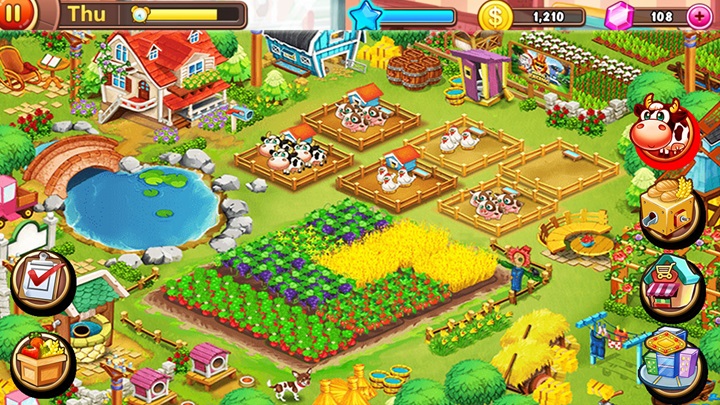
Different crops have different growing times and uses. Some are needed for animal feed, while others become ingredients for products that can be sold or used to fulfill orders.
Choosing what to grow depends on your available time, current objectives, and storage capacity.
- Keep essential crops available for production.
- Plant fast-growing crops when you can return frequently.
- Grow longer-duration crops when you expect to be away.
- Prioritize ingredients required for valuable products.
- Avoid filling your storage with crops you rarely use.
4. Understanding Your Farm Layout
An organized farm makes it easier to manage fields, animals, production buildings, and decorations. As your farm expands, thoughtful placement can reduce unnecessary movement and improve the overall appearance of your property.
A practical layout should balance efficiency with personal creativity.
- Place production buildings where they are easy to access.
- Keep animal areas organized.
- Leave enough room for additional fields and buildings.
- Position storage facilities conveniently.
- Customize your farm with decorations that match your style.
5. Managing Coins, Experience, and Storage
Coins are essential for purchasing buildings, equipment, and other farm improvements. Experience points help you level up and unlock additional content, while barn and silo capacity determine how many items you can store.
Balancing these systems helps prevent production bottlenecks.
- Save coins for important upgrades and buildings.
- Expand storage when capacity becomes a regular problem.
- Avoid producing goods that you cannot store.
- Check the requirements of upcoming unlocks.
- Plan purchases according to your current priorities.
6. Trading and Helping Other Players
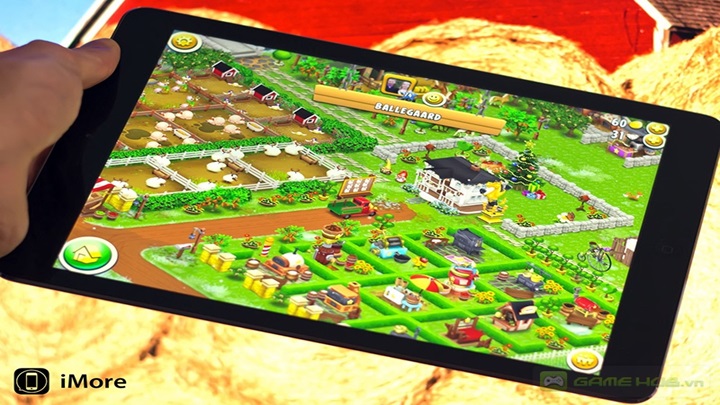
Hay Day includes trading systems that allow players to sell goods and interact with other farmers. Community features can create additional opportunities to obtain resources and complete tasks.
Working with other players can make farm management more enjoyable and flexible.
- Sell surplus goods through available trading systems.
- Compare potential sales with your own production needs.
- Help friends and neighboring farms when possible.
- Participate in neighborhood activities.
- Keep useful items available for future requests.
7. Using Production Buildings Effectively
Production buildings transform raw materials into more valuable goods. Depending on the facility, you may be able to produce baked goods, dairy products, animal feed, and other items.
Keeping these buildings active helps maintain a steady flow of goods and supports more efficient order completion.
- Start long production tasks before taking a break.
- Produce essential ingredients in advance.
- Keep frequently used machines supplied with materials.
- Balance production between different product categories.
- Prioritize goods needed for current orders or events.
8. Mastering Advanced Farming Strategies
As your farm grows, efficient planning becomes increasingly important. You must coordinate crop growth, animal production, machine queues, and customer requests while avoiding shortages of essential materials.
Developing a consistent production cycle can help you earn more while reducing wasted time.
- Plan crop planting around production requirements.
- Maintain a reliable supply of animal feed.
- Use machine queues efficiently.
- Compare the benefits of selling raw crops and processed goods.
- Keep storage space available for valuable items.
- Adjust your routine to match the time you can spend playing.
9. Events, Orders, and Community Challenges
Hay Day features different activities that provide additional objectives and rewards. Depending on the current schedule, players may encounter special events, delivery orders, truck requests, boat shipments, or neighborhood competitions.
Choosing the right activities can help you progress without exhausting your resources.
- Check event requirements before committing goods.
- Complete orders that fit your current production capacity.
- Prepare necessary products ahead of time.
- Participate in community activities when convenient.
- Focus on rewards that support your farm's development.
10. Continuously Improving Your Farm
Building a successful farm is a gradual process. The most effective farmers understand their production needs, maintain useful inventories, and adapt their routines as new buildings and crops become available.
Small improvements in organization can make daily farming much more efficient.
- Review your inventory regularly.
- Identify production bottlenecks.
- Upgrade storage when needed.
- Experiment with different farm layouts.
- Learn which products are most useful for your goals.
- Set realistic objectives for each play session.
Conclusion
Hay Day remains a hot game for mobile players who enjoy farming, crafting, trading, and creative progression. Its combination of peaceful gameplay, resource management, and social features makes it an engaging experience for both casual players and dedicated farming enthusiasts.
To build a thriving farm, focus on growing useful crops, maintaining efficient production, managing storage wisely, and choosing profitable activities. With careful planning and consistent progress, you can turn a small plot of land into a productive and beautiful farm.