
Schedule I: The Ultimate Howto Guide to Master This Hot Game
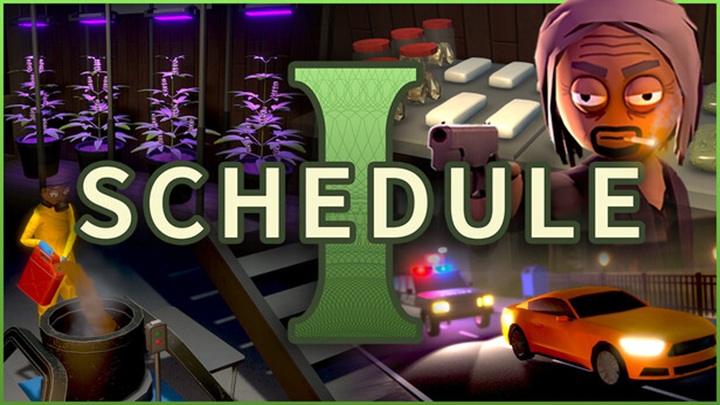
Schedule I is an open world simulation game developed by TVGS that puts players in the role of an aspiring underground entrepreneur in the fictional city of Hyland Point. Players build their operation from the ground up, manage production, serve customers, and expand their business while navigating a world filled with risks and rivalries.
With its combination of business management, exploration, crafting, and character progression, Schedule I offers a distinctive experience for players who enjoy sandbox games. This howto guide covers the essential mechanics, beginner tips, and strategies to help you progress through this hot game.
1. Understanding Schedule I
Schedule I combines open world exploration with business simulation. Players begin with limited resources and gradually build a larger operation by completing tasks, managing customers, and investing in equipment.
The game balances financial growth with the challenges of operating in a dangerous environment. Careful planning and smart decisions help players expand while avoiding unnecessary setbacks.

2. Getting Started
At the beginning, focus on learning the controls, exploring Hyland Point, and completing introductory objectives. These activities help you understand the game's systems and provide resources for future development.
Avoid spending all your money immediately. Keep enough cash available for essential equipment, supplies, and unexpected expenses.
3. Managing Production
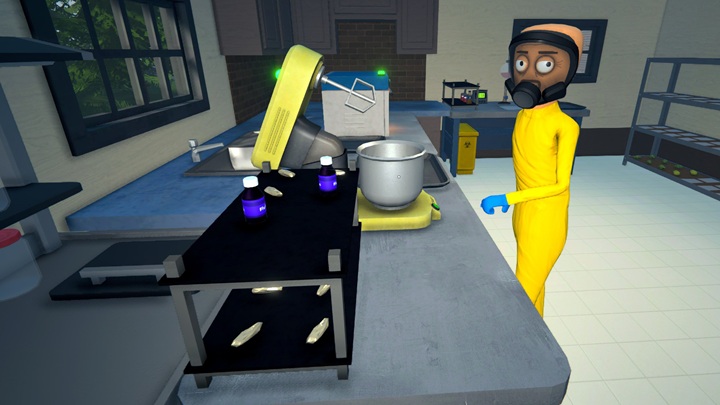
Production is central to Schedule I. Players must organize equipment, ingredients, storage, and workflows to keep their operation running efficiently.
- Keep essential supplies available.
- Organize workspaces for easier management.
- Monitor production requirements.
- Avoid purchasing equipment you do not yet need.
An organized setup helps reduce unnecessary work and makes expansion easier.
4. Building Your Business
As you earn money, you can invest in additional equipment, improve your workspace, and expand your operation. Prioritize upgrades that solve current problems or increase efficiency.
Expanding too quickly can create financial pressure. Build a reliable foundation before investing in several new projects at once.
5. Managing Customers
Customer relationships play an important role in progression. Completing orders reliably helps you generate income and develop your business.
Keep track of customer demands and plan your resources accordingly. Consistent management is more useful than accepting more work than your operation can handle.
6. Exploring Hyland Point
Hyland Point contains locations, characters, and opportunities that support exploration and progression. Learning the city's layout helps you navigate more efficiently and understand where to find useful services.
Explore gradually, pay attention to new opportunities, and avoid unnecessary risks when carrying valuable resources.
7. Managing Money and Resources
Financial management is essential to long term success. Revenue needs to cover supplies, equipment, upgrades, and other operating expenses.
Keep a reserve instead of spending every dollar as soon as you earn it. Compare the cost of an upgrade with its practical benefits before making major purchases.
8. Avoiding Common Mistakes
Beginners may struggle by expanding too quickly, neglecting supplies, or spending money without a clear plan.
To improve your progress:
- Prioritize essential equipment.
- Track income and expenses.
- Keep production organized.
- Complete manageable objectives first.
- Avoid unnecessary risks.
- Invest in upgrades that provide clear benefits.
9. Progression and Upgrades
Progression unlocks additional opportunities as you develop your operation. New equipment, improved facilities, and stronger business relationships can help you handle more demanding objectives.
Focus on upgrades that complement your current setup. A balanced approach to production, finances, and progression will help you avoid bottlenecks as the game becomes more complex.
10. Why Schedule I Is a Hot Game
Schedule I has attracted attention for its open world sandbox design, humorous situations, business management mechanics, and freedom to develop an operation in different ways.
Players can experiment with workflows, explore the city, improve their facilities, and gradually expand their capabilities. Its combination of simulation and progression makes it appealing to fans of management games who enjoy building something from a small beginning.
Conclusion
Schedule I offers a distinctive simulation experience built around exploration, business management, production, and progression. Start with essential equipment, manage your finances carefully, and expand as your resources allow.
With a practical howto strategy and consistent planning, you can develop your operation and enjoy the different challenges this hot game offers.