




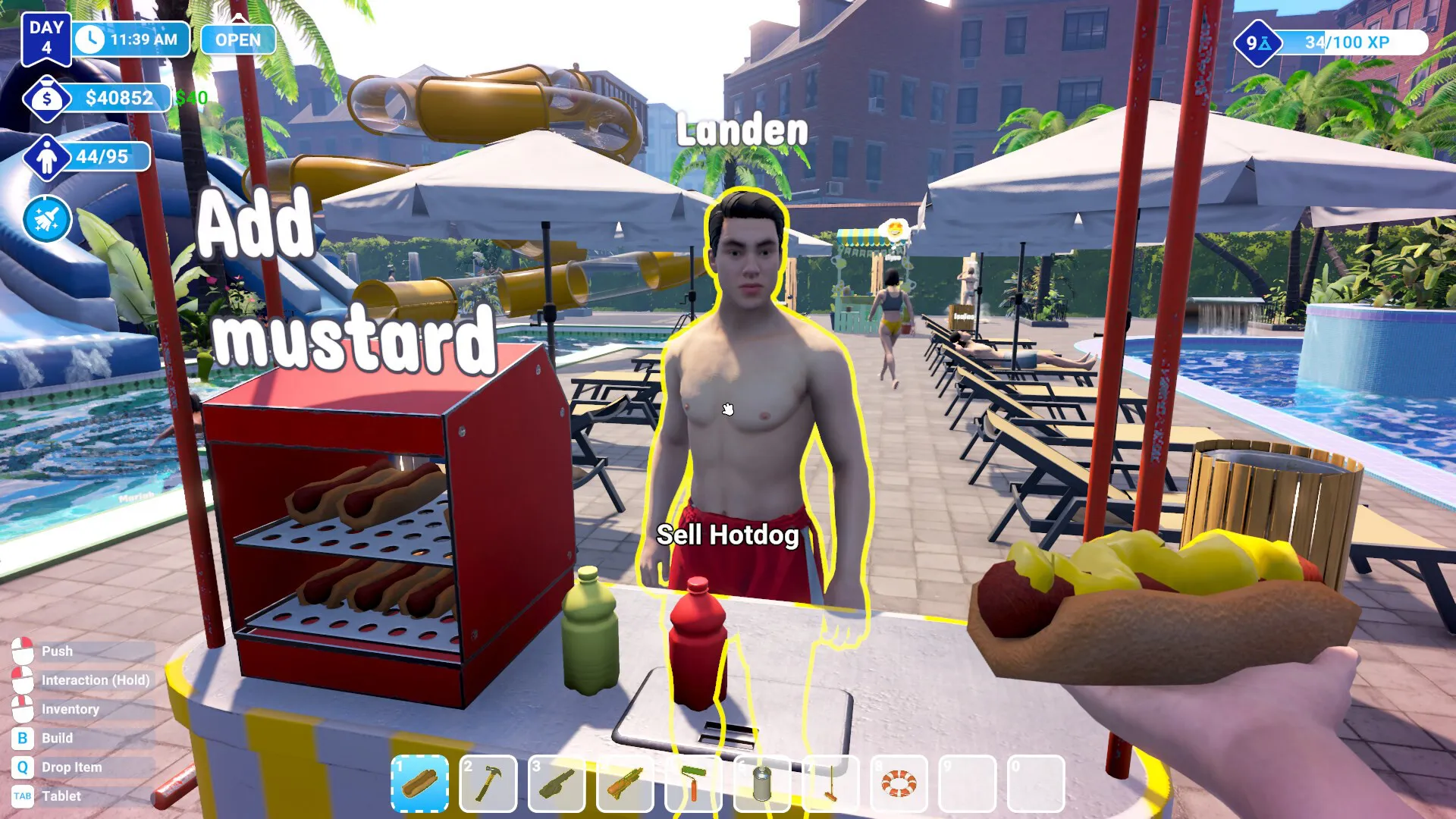
Waterpark Simulator is a management and creativity-driven simulation game where players design, build, and operate their own water park. Unlike simple building games, the simulator combines business management, park layout design, guest satisfaction, and financial planning. Players must balance creativity with efficiency while ensuring visitors enjoy thrilling slides, clean facilities, and well-organized attractions.
Success in Waterpark Simulator is not just about building the biggest slides. It requires careful planning, understanding visitor behavior, managing resources, and expanding strategically. Beginners often rush into construction without considering park flow, budget, or guest needs, which can quickly lead to financial problems or unhappy customers.
This complete “how to” guide explains step by step how to grow from a small starter park into a thriving waterpark empire. From early planning and ride placement to advanced management and expansion strategies, this guide will help players build a successful and profitable park.
1. How to Understand the Basics of Waterpark Simulator
Before placing your first slide or building your first pool, it is important to understand how the core systems of Waterpark Simulator work. The game revolves around three major mechanics: construction, guest satisfaction, and financial management.
Players begin with a limited budget and a small area of land. Every decision matters because building rides, facilities, and decorations all cost money. If the park becomes too expensive to maintain before attracting enough visitors, the business can quickly fail.
Core Gameplay Systems
- Building attractions and water slides
- Managing park finances and ticket prices
- Keeping guests entertained and comfortable
- Expanding the park gradually
Beginner Advice
Start small and focus on efficiency instead of trying to build a massive park immediately.
2. How to Plan the Layout of Your Water Park
A well-designed layout is one of the most important factors in Waterpark Simulator. If attractions are placed randomly, guests will spend too much time walking, which lowers satisfaction and reduces the number of rides they use.
Good park layouts organize attractions into zones. For example, slides can be grouped together, relaxation areas placed near pools, and food courts positioned near busy walkways.
Layout Planning Strategy
- Create clear walking paths between attractions
- Place popular rides near the entrance
- Separate quiet relaxation areas from busy slides
Efficiency Tip
Short walking distances increase the number of rides guests experience, which improves park ratings.
3. How to Build Your First Attractions
At the beginning of the game, players have limited funds, so choosing the right attractions is essential. Focus on building a few popular slides instead of many small attractions.
Large signature rides attract visitors and generate more excitement. However, they also cost more money and require maintenance. Balancing investment and profit is key.
Recommended Starter Attractions
- Simple water slides
- Small wave pools
- Family-friendly splash zones
Investment Tip
A single well-placed slide often earns more money than multiple poorly placed rides.
4. How to Manage Park Finances
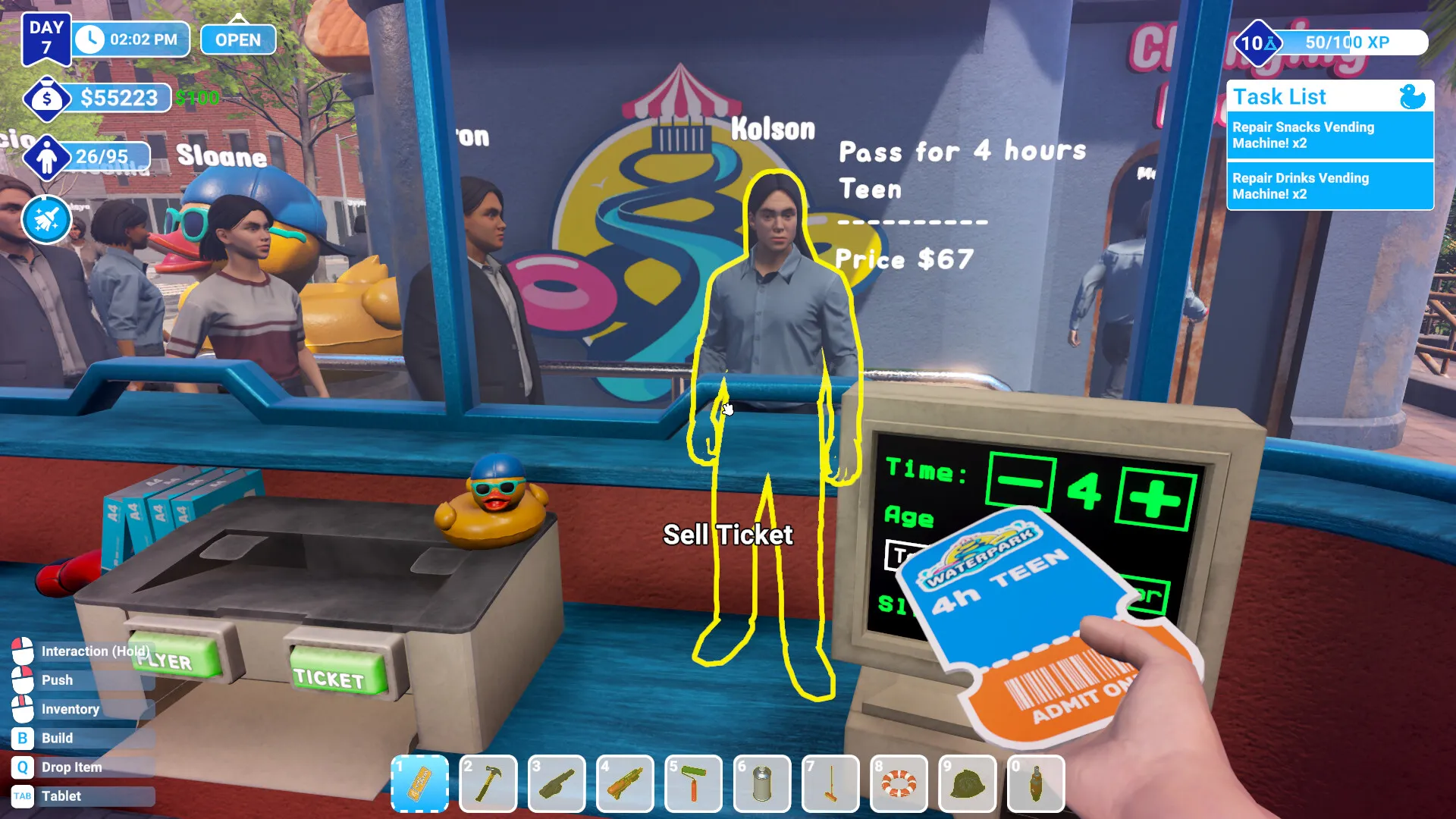
Financial management determines whether your water park grows or collapses. Every ride has maintenance costs, and staff salaries must also be paid regularly.
Ticket pricing plays a major role in profitability. If tickets are too expensive, fewer guests will visit. If they are too cheap, the park may struggle to cover operating costs.
Financial Balance Checklist
- Monitor daily income and expenses
- Adjust ticket prices gradually
- Invest profits into new attractions
Important Rule
Never spend your entire budget on one attraction without keeping reserve funds.
5. How to Improve Guest Satisfaction
Happy visitors are the key to long-term success. Guests evaluate the park based on ride quality, cleanliness, wait times, and available services.
If visitors become unhappy, they may leave early or give poor ratings, which reduces future attendance.
Ways to Increase Guest Happiness
- Add seating and relaxation areas
- Provide enough food and drink stalls
- Maintain clean restrooms and facilities
Guest Behavior Insight
Visitors often spend more time and money in parks where they feel comfortable and entertained.
6. How to Hire and Manage Staff
Running a successful water park requires a reliable team. Staff members keep attractions running smoothly and maintain park cleanliness.
Different types of employees serve different roles, including lifeguards, janitors, technicians, and customer service workers.
Essential Staff Roles
- Lifeguards for pool safety
- Maintenance workers for ride repairs
- Janitors for cleanliness
- Security staff for crowd control
Staff Management Tip
Too few employees can cause problems, but too many can increase expenses unnecessarily.
7. How to Expand Your Water Park
Once the park becomes profitable, expansion becomes the next major goal. Unlocking new land areas allows players to build more attractions and accommodate larger crowds.
Expansion should happen gradually. Expanding too quickly without enough visitors can create financial strain.
Expansion Strategy
- Expand after reaching stable profits
- Add new attraction types in each new zone
- Create themed sections for variety
Growth Tip
Large parks benefit from clear organization to prevent overcrowding.
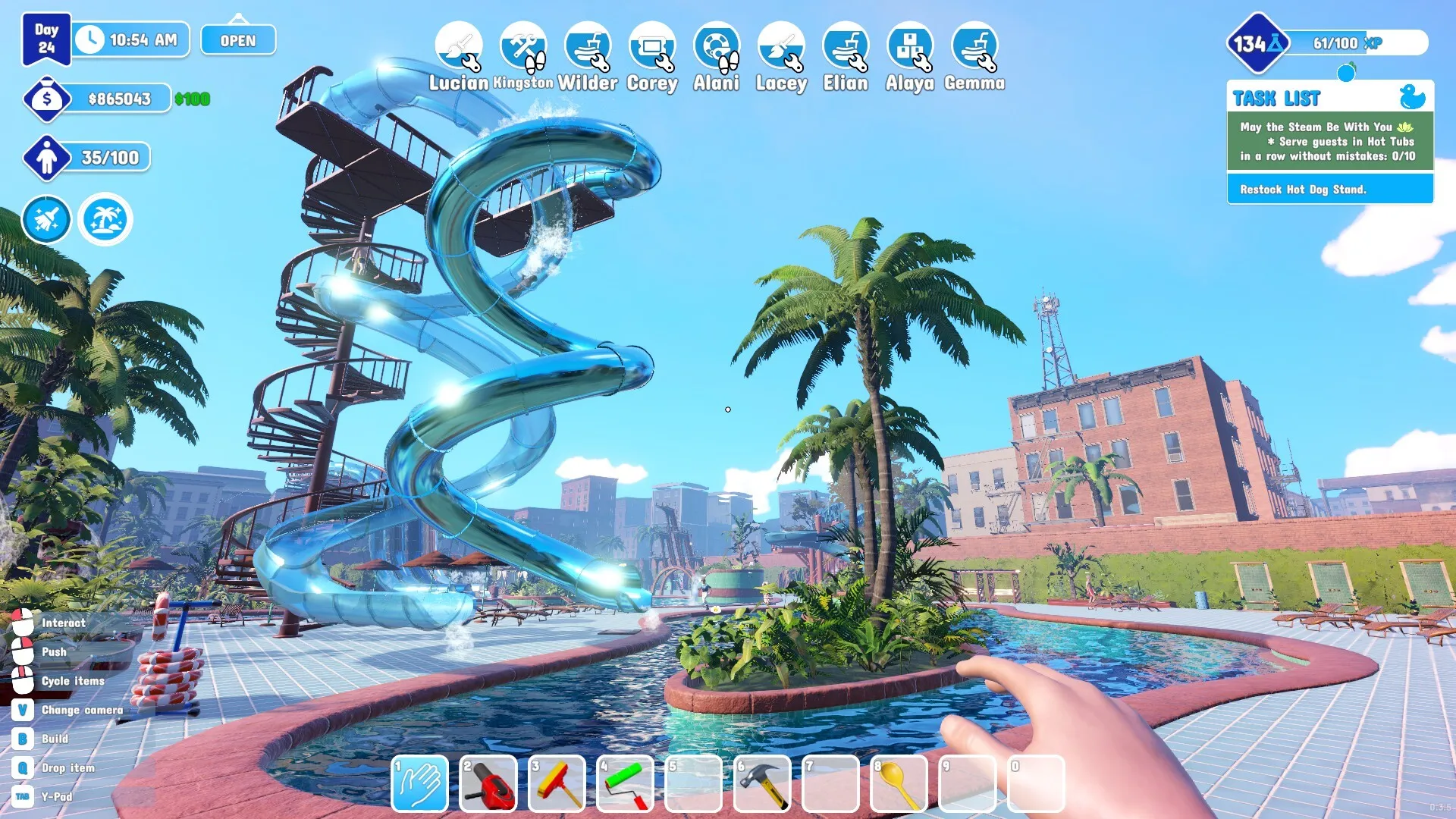
8. How to Design Unique and Creative Slides
One of the most exciting features of Waterpark Simulator is the ability to design custom slides. Creative slide layouts can become the main attraction of your park.
Players can experiment with twists, drops, tunnels, and high-speed turns to create thrilling experiences.
Slide Design Tips
- Combine speed sections with relaxing curves
- Add visual themes and decorations
- Test slides to ensure smooth operation
Design Principle
The most successful slides balance excitement with safety and smooth flow.
9. How to Handle Crowds and Busy Days
As your park becomes more popular, managing large crowds becomes a challenge. Long lines and overcrowded areas can quickly reduce guest satisfaction.
Strategic placement of attractions helps distribute visitors across the park.
Crowd Control Methods
- Build multiple attractions in each zone
- Add wide walking paths
- Provide additional seating areas
Crowd Management Tip
Popular rides should have nearby entertainment options to keep waiting guests happy.
10. How to Master Advanced Park Management
In the late stages of Waterpark Simulator, players manage large parks with thousands of visitors. At this level, efficiency and optimization become critical.
Advanced players focus on maximizing profit while maintaining excellent guest satisfaction ratings.
Advanced Management Strategies
- Optimize attraction placement
- Upgrade popular rides
- Introduce new entertainment areas
Expert Tip
Successful parks continuously evolve by adding new attractions and improving existing ones.
Conclusion
Waterpark Simulator offers a rewarding blend of creativity and strategy. Building a successful water park requires thoughtful planning, smart financial decisions, and constant attention to guest satisfaction. By starting with efficient layouts, investing in the right attractions, and expanding gradually, players can transform a small park into a thriving entertainment destination. With patience, creativity, and strong management skills, anyone can master the challenges of running the ultimate water park.