
How to Play EA SPORTS FC 27 A Complete Guide for Beginners and Football Fans
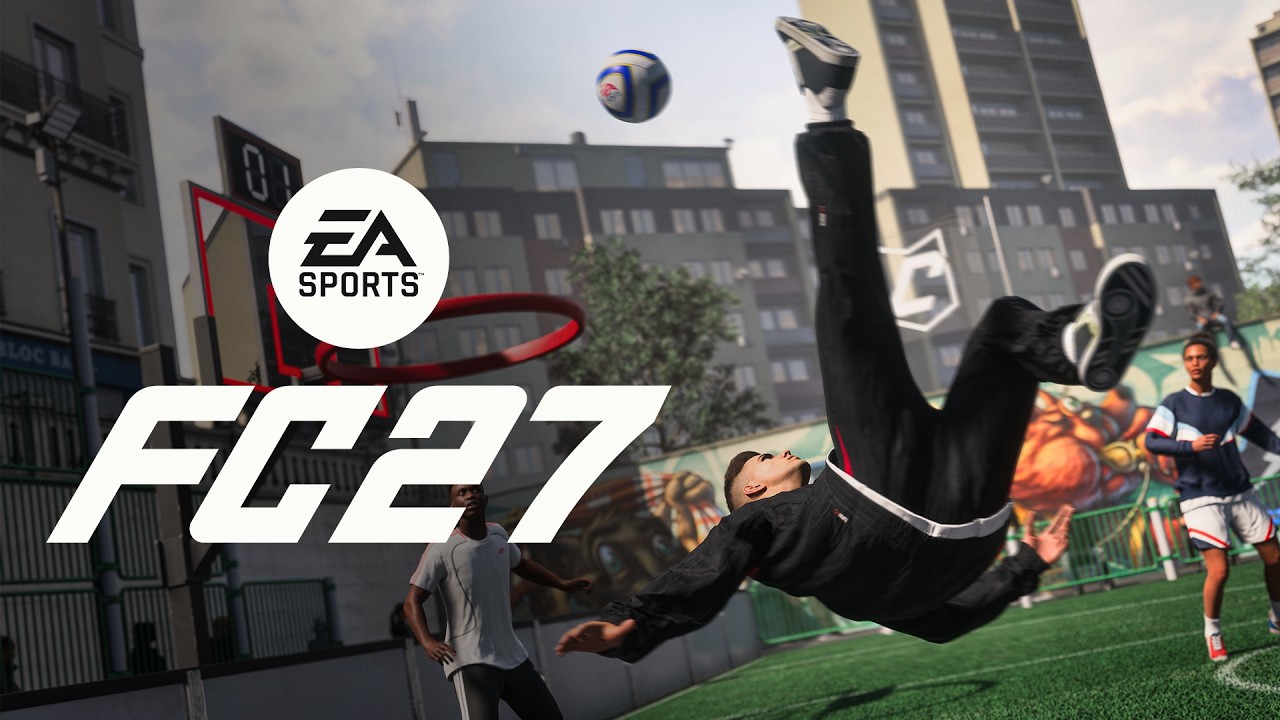
EA SPORTS FC 27 is the next entry in the football simulation series from EA Sports, building on the experience of previous EA SPORTS FC titles. Football fans looking forward to the game may want to learn how to prepare their teams, improve their skills, understand tactical systems, and compete more effectively across different game modes. Whether you enjoy controlling a favorite club, developing young players, managing a football career, or competing against other players online, learning the fundamentals can make every match more enjoyable.
Because specific EA SPORTS FC 27 features, menus, and gameplay changes may depend on the final release and platform, this guide focuses on established EA SPORTS FC gameplay principles that players can use when starting a new football simulation game. Some instructions may vary from earlier entries, so check the in game tutorials and settings when available. From preparing your controls to developing advanced attacking strategies, the following ten sections explain how to build a solid foundation and improve step by step.
1. How to Prepare for EA SPORTS FC 27 Before Playing
Before starting your first match, make sure your gaming platform meets the requirements for the version you intend to play. Check the official EA SPORTS FC website or your platform's digital store for confirmed release information, supported devices, system requirements, and purchasing options. Avoid unofficial downloads that promise early access or free versions, particularly when they ask for account credentials or unfamiliar software installations.
Once the game is available to you, install it through an authorized source and allow any required updates to finish. Updates can contain important fixes, gameplay adjustments, and changes to online compatibility. If you plan to play online, check your internet connection and ensure that your platform account is configured correctly. A stable connection is particularly important for competitive matches, where delays can make passing, defending, and shooting less consistent.
Check Your Platform and Game Settings
Before entering a match, review the available settings and make sure the game runs comfortably on your device. On a PC, compare your hardware with the official requirements and adjust graphics settings if performance is inconsistent. On a console, confirm that the game has finished installing and that the required online services are accessible.
It is also useful to prepare your controller, headset, and preferred display settings before playing. Comfortable controls and clear visual feedback help you recognize player movements and react to opponents. Rather than immediately choosing the most competitive mode, start with a training session or an easier match to understand how the game responds to your inputs.
2. How to Configure Controls and Learn the Basic Mechanics
Learning the controls is one of the most important steps for new players. Football games require you to make quick decisions while moving, passing, defending, and positioning multiple players. If you are unfamiliar with the control layout, even a strong team can struggle because you may pass to the wrong player, mistime a tackle, or shoot when a teammate is better positioned.
Begin by opening the controller settings and reviewing the available control schemes. Depending on the platform and game version, you may be able to choose between preset layouts or customize selected inputs. Keep the default controls initially if you are new, because tutorials and many community guides are usually based on familiar standard configurations. Change individual controls only when you understand why a different arrangement would help.
Practice the Essential Actions
Focus on a small group of mechanics before attempting advanced combinations. Learn how to move players, make short passes, send through balls, shoot, sprint, switch defenders, and perform basic tackles. Practice each action in a low pressure environment until you can execute it without constantly looking at the controller.
A useful beginner routine includes the following actions:
- Move with and without the ball to understand player responsiveness.
- Use short passes to maintain possession and connect nearby teammates.
- Try through balls when a teammate makes a run into open space.
- Practice shooting from different distances and angles.
- Switch defenders to cover dangerous attackers.
- Use sprint selectively rather than holding it continuously.
- Learn how to protect possession when an opponent approaches.
Adjust Settings Gradually
Some players prefer assisted controls because they make basic actions easier to perform, while experienced players may prefer greater manual control. The best option depends on your experience and the available settings in the version you play. Begin with settings that help you understand the fundamentals, then experiment with alternatives as your accuracy improves.
Avoid changing several control settings at once. If you adjust passing assistance, camera settings, and defensive controls simultaneously, it becomes difficult to identify which change improved or weakened your performance. Make one adjustment, play a few matches, and keep it only if it provides a noticeable benefit.
3. How to Choose the Right Team and Understand Player Ratings
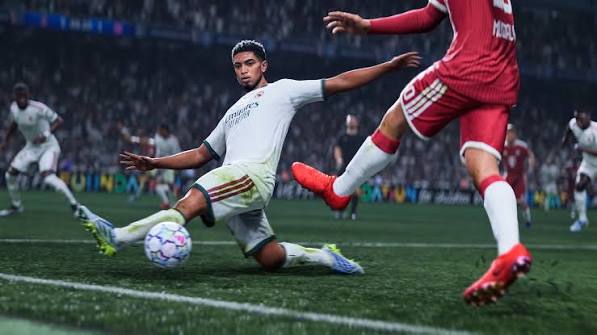
Choosing a team can significantly affect your early experience. Some clubs have strong attackers and creative midfielders, while others depend on defensive organization, physical strength, or counterattacking opportunities. Beginners often benefit from selecting a balanced team with reliable defenders, a capable goalkeeper, mobile midfielders, and forwards who can finish chances.
Do not select a club based only on its highest rated player. Football is a team sport, and the balance between positions matters. A squad with several talented attackers may still struggle if its midfield cannot retain possession or its defenders are too slow to recover against counterattacks. Consider the formation, player roles, and overall squad depth before committing to a particular team.
Understand the Important Attributes
Player ratings summarize different aspects of performance, but individual attributes are often more useful when deciding how to use a player. Pace can help attackers exploit space and defenders recover. Shooting influences finishing ability, while passing affects a player's usefulness in building attacks. Dribbling can help players maneuver through tight spaces, and defensive attributes influence positioning and challenges.
Physical characteristics also matter. Strength can help players compete for possession, while stamina is important for players who cover large areas throughout a match. A fast winger may be excellent at attacking open space but less effective when asked to defend constantly. Similarly, a powerful striker may be useful for holding up the ball even if a smaller forward is more agile.
Match Players to Their Roles
Choose players whose strengths fit your preferred approach. If you like quick counterattacks, look for forwards with pace and midfielders who can deliver accurate forward passes. If you prefer patient possession, prioritize passing ability, composure, and players who can receive the ball under pressure.
Whenever possible, use players in positions suited to their attributes and tactical responsibilities. Placing a natural defender in an unfamiliar attacking role may reduce the effectiveness of your team. Experiment with substitutions and alternative lineups in friendly matches before using an unfamiliar setup in important competitions.
4. How to Build an Effective Formation and Tactical System
A formation determines how your team is arranged across the pitch. Common football formations include 4-3-3, 4-2-3-1, 4-4-2, and 3-5-2. Each provides a different balance between attacking width, midfield control, defensive stability, and forward support. The best choice depends on your players and the way you want to approach a match.
A 4-3-3 can provide width through wingers and support from central midfielders. A 4-2-3-1 offers a structure with two deeper midfielders and an attacking midfielder positioned behind the striker. A 4-4-2 provides two forwards and a straightforward midfield shape, while a three center back system can create different options for defending and progressing the ball through wide areas.
Choose a Formation That Matches Your Style
If you enjoy controlling possession, choose a formation that provides nearby passing options around the ball. Midfielders should be positioned to receive passes and help you maintain control without forcing risky forward movements. When you lose possession, a balanced structure can also help you recover the ball without leaving too much space behind.
If you prefer direct attacks, select a formation with forwards who can run into space and midfielders capable of delivering forward passes. However, avoid sending every player forward at once. Keeping sufficient defensive cover can prevent a promising attack from turning into a dangerous counterattack against your team.
Adjust Tactics During Matches
Tactics should respond to the situation rather than remain unchanged throughout every game. When leading, you might prioritize possession and reduce unnecessary attacking risks. When trailing late in a match, you may need to commit more players forward and increase the speed of your attacks.
Make tactical changes carefully. An aggressive pressing approach can help recover the ball higher up the pitch, but it may leave gaps if your players become poorly positioned or lose stamina. A more conservative setup can protect a narrow lead, although it may invite sustained pressure from your opponent. Learn how your chosen tactics affect player movement before relying on them in close matches.
5. How to Pass, Dribble, and Create Better Scoring Chances
Strong attacking play begins with making good decisions rather than performing complicated skill moves. Passing is often the safest way to advance the ball because it allows you to move the opposing defense and create openings. Instead of immediately attempting a long pass toward the striker, look for a nearby teammate who can help maintain possession and open a better passing angle.
Use short passes when opponents are close and longer passes when a teammate has space to receive the ball. Through balls are especially useful when an attacker is moving behind the defensive line, but they work best when the timing and direction are appropriate. A poorly timed through ball can send possession directly to a defender or goalkeeper.
Use Dribbling With a Purpose
Dribbling is useful for moving away from defenders, protecting the ball, and creating a better shooting or passing angle. However, attempting to dribble past every opponent can slow your attack and lead to unnecessary turnovers. When a defender approaches, consider whether a quick pass would create a better opportunity than trying to beat the player individually.
Skill moves can be valuable when used in the right situations. Start with a small number of simple moves and practice their timing in training. Use them to create separation near the penalty area or escape a tight position near the touchline. Avoid performing complicated combinations when an opponent is already covering the available space.
Develop a Reliable Attacking Pattern
A useful attacking sequence begins with a controlled pass from defense into midfield. The midfielder then looks for a winger, attacking midfielder, or forward making a run. If the defense shifts toward the ball, you may be able to switch play to the opposite side or pass into a teammate who has found space between defenders.
Before shooting, evaluate the goalkeeper's position, the distance to goal, and whether another attacker has a clearer opportunity. A shot from a difficult angle may be less effective than one additional pass across the penalty area. Practicing these decisions will help you create higher quality chances instead of relying on long range attempts.
6. How to Improve Shooting and Finishing
Scoring goals requires more than pressing the shoot button as soon as your player reaches the penalty area. The direction of your shot, the position of defenders, the distance from goal, and the attributes of your player can all affect the result. Learning to recognize good shooting opportunities is one of the quickest ways to become a more effective attacker.
Begin by practicing ordinary shots from central positions inside or near the penalty area. Try different angles and distances to understand how your chosen player performs. Use training exercises, when available, to repeat finishing situations without the pressure of a competitive match. Repetition helps you develop a better sense of timing and shot selection.
Choose the Right Type of Shot
A regular shot is a useful starting point for many situations. More advanced shooting options may include finesse shots, driven shots, or other specialized techniques, depending on the game version and control settings. These options serve different purposes, so consult the in game controls before practicing a specific technique.
Finesse shooting can be useful when you want to place the ball around the goalkeeper, while powerful shooting options may suit situations where you have enough space and a clear line toward goal. No technique guarantees a goal. The player's attributes, defensive pressure, shooting angle, and the goalkeeper's position all influence the outcome.
Improve Your Composure in Front of Goal
Many missed chances happen because players rush their decisions. When you enter the penalty area, take a moment to evaluate your options. If a defender is closing in, a quick shot may be appropriate. If the goalkeeper is positioned well to cover the near post, adjusting your angle or passing to a teammate could create a better opportunity.
Practice finishing with different players rather than relying exclusively on your strongest striker. This helps you understand how movement and shooting ability vary across the squad. It also prepares you for situations where your main forward is unavailable, tired, or positioned too far away to receive the ball.
7. How to Defend Effectively and Prevent Easy Goals

Defending is about controlling space and limiting the opponent's options. Beginners often make the mistake of sprinting directly toward the player with the ball and attempting a tackle immediately. This approach can leave gaps behind the defender, allowing the opponent to pass around the challenge and move toward goal.
Instead, approach attackers with patience and try to position your defender between the ball and the most dangerous areas. Use teammate support to restrict passing lanes and force opponents toward less threatening positions. When the attacker has limited space, you may have a better opportunity to challenge for possession.
Learn When to Switch Players
Player switching helps you control the defender best positioned to respond to a threat. If the opponent passes into the middle, switching to a nearby midfielder may be more effective than moving a center back out of the defensive line. Keeping central defenders in useful positions can reduce the space available to opposing forwards.
Practice switching between defenders while maintaining a compact team shape. If you move the wrong player out of position, an opponent may exploit the opening immediately. Use the available switching controls and defensive indicators to select the appropriate player, then guide that defender into a position where they can challenge or block a pass.
Avoid Unnecessary Tackles
A tackle should be used when you have a reasonable chance of winning the ball. Diving into challenges from poor angles can allow attackers to get past you or create dangerous situations. When an opponent is moving quickly, focus first on matching their movement and protecting the path toward goal.
Be especially careful when defending near your own penalty area. A mistimed challenge in a dangerous position can have serious consequences. Sometimes the best defensive decision is to delay the attack until teammates return and help cover the available passing options.
8. How to Use Career Modes and Develop a Successful Team
Career focused modes appeal to players who enjoy building a club, managing a squad, or guiding a footballer through a professional journey. The precise features available in EA SPORTS FC 27 should be checked in the released game, but previous EA SPORTS FC titles have included career experiences centered on club management and individual player development.
If a manager career mode is available, begin by reviewing your squad before making major changes. Identify weak positions, examine the age and attributes of important players, and decide which areas need immediate improvement. Building a balanced team is usually more effective than spending most of your available resources on one superstar while leaving other positions understrength.
Plan Transfers and Squad Development
Create a shortlist of players who fit your formation and tactical approach. Consider their position, age, attributes, and the role they would play in your team. When managing a limited budget, prioritize positions where a new player could make the greatest difference to match performance.
Squad depth is also important. A full season can involve multiple competitions and demanding schedules, so relying on the same starting eleven may become difficult. Develop suitable substitutes who can cover important positions and provide different attacking or defensive options when your strategy needs to change.
Improve Players Over Time
If player development systems are available, use them to address specific weaknesses and strengthen the roles your tactics require. A young midfielder might benefit from improvements that support passing and ball control, while a developing defender may need better positioning and defensive attributes.
For a player career experience, focus on fulfilling the role expected by your position. A striker should prioritize intelligent movement and finishing opportunities, while a central midfielder should contribute to both possession and defensive organization. Consistent performances and sensible decisions can make career progression more rewarding than attempting to perform spectacular actions in every match.
9. How to Explore Ultimate Team and Other Game Modes
EA SPORTS FC games have traditionally offered several ways to play, including team building, online competition, and more casual football experiences. The exact selection of modes, progression systems, rewards, and online features for EA SPORTS FC 27 should be confirmed through official information once available.
If Ultimate Team is included, the general goal is to assemble a squad and improve it over time. Begin by learning the squad management interface, player positions, and the rules that influence team chemistry or other squad-building systems in that version. Avoid spending resources impulsively before understanding which players and upgrades will provide lasting value.
Build a Balanced Squad
A strong squad needs more than high rated forwards. Make sure you have dependable defenders, midfielders who can recover possession, and attackers who fit your preferred style. Consider whether your players work well together within the game's squad-building rules, including any chemistry mechanics that may be present.
Use available objectives and rewards to understand how progression works. Prioritize tasks that fit your schedule and provide resources useful to your squad. If optional purchases are offered, establish a budget before spending and remember that in game rewards and player availability may change over time.
Practice Before Entering Competitive Matches
If you plan to play online, spend time learning your squad in offline matches or training sessions first. Familiarity with player movement and tactical behavior can make a significant difference when facing opponents who know how to exploit mistakes.
After each match, identify one or two areas to improve. You might need to reduce turnovers in midfield, defend through balls more carefully, or create better shooting opportunities. Concentrating on specific weaknesses is more effective than changing your entire team after every defeat.
Other modes, such as local matches, tournaments, or casual kickoffs, can provide variety if they are included in the version you play. These experiences allow you to test different clubs, formations, and match situations without committing to a single long term progression path.
10. How to Practice Consistently and Become a Better Player
Improvement comes from understanding why actions succeed or fail. Instead of playing many matches without reviewing your decisions, create a simple practice routine. Spend a few minutes on passing and shooting, play a match with one tactical objective, and then review the situations where you lost possession or conceded a goal.
Start with fundamentals before moving toward more advanced strategies. For example, focus on keeping possession for one session, defensive positioning in the next, and finishing in another. Once these skills become more reliable, combine them in full matches. This approach helps you develop a stable playing style rather than depending on unpredictable moments.
Review Your Mistakes After Each Match
Pay attention to repeated problems. If you regularly concede goals from counterattacks, you may be committing too many players forward or losing the ball in dangerous positions. If you struggle to score, you may be shooting from poor angles or failing to move defenders out of position before entering the penalty area.
Use match statistics and available replays, if provided, to identify patterns. Statistics can reveal whether you are taking too few shots, losing possession too often, or allowing too many attempts against your goal. However, do not judge performance through one statistic alone. A high number of shots does not necessarily mean you created excellent chances, and possession does not always translate into effective attacking play.
Create a Sustainable Training Schedule
A short, focused session can be more useful than a long session spent repeating the same mistakes. Choose one skill to improve, practice it deliberately, and then test it during a real match. Keep track of the situations that feel difficult and return to them in later sessions.
You can follow a simple routine such as this:
- Warm up with basic passing and ball control.
- Practice shooting from central and wide positions.
- Work on switching defenders and protecting dangerous spaces.
- Play a match while focusing on one tactical objective.
- Review mistakes and identify a specific improvement for next time.
- Adjust controls or tactics only when you have a clear reason.
As you become more confident, challenge yourself against stronger opponents and experiment with alternative formations. Do not expect every match to end in victory. Learning to adapt, remain patient, and make better decisions under pressure is an important part of developing long term football gaming skills.
Conclusion
Learning how to play EA SPORTS FC 27 starts with preparation, control familiarity, and an understanding of football fundamentals. By choosing a balanced team, building an effective formation, improving passing and shooting, and defending with patience, you can develop a reliable foundation before exploring more advanced tactics. Career focused and team building modes may provide additional ways to enjoy the game, while online competition can help you test your skills against other players.
The most effective approach is to practice consistently and improve one weakness at a time. Learn from missed chances, study the situations that lead to conceded goals, and adjust your tactics according to your squad and opponent. Check the official game information for confirmed EA SPORTS FC 27 features and any changes to controls or modes. With patience and regular practice, you can make better decisions, build stronger teams, and enjoy a more rewarding football gaming experience.